What Is The Great Filter Theory?
The Great Filter is a proposed solution to the Fermi Paradox. It suggests that somewhere between the formation of a habitable planet and the rise of a galaxy-spanning civilization lies an evolutionary barrier that almost all life fails to cross.
If that barrier is real, intelligent civilizations may be extraordinarily rare.
The question is not whether life exists.
The question is where the bottleneck sits.
The Concept & Importance of The Great Filter
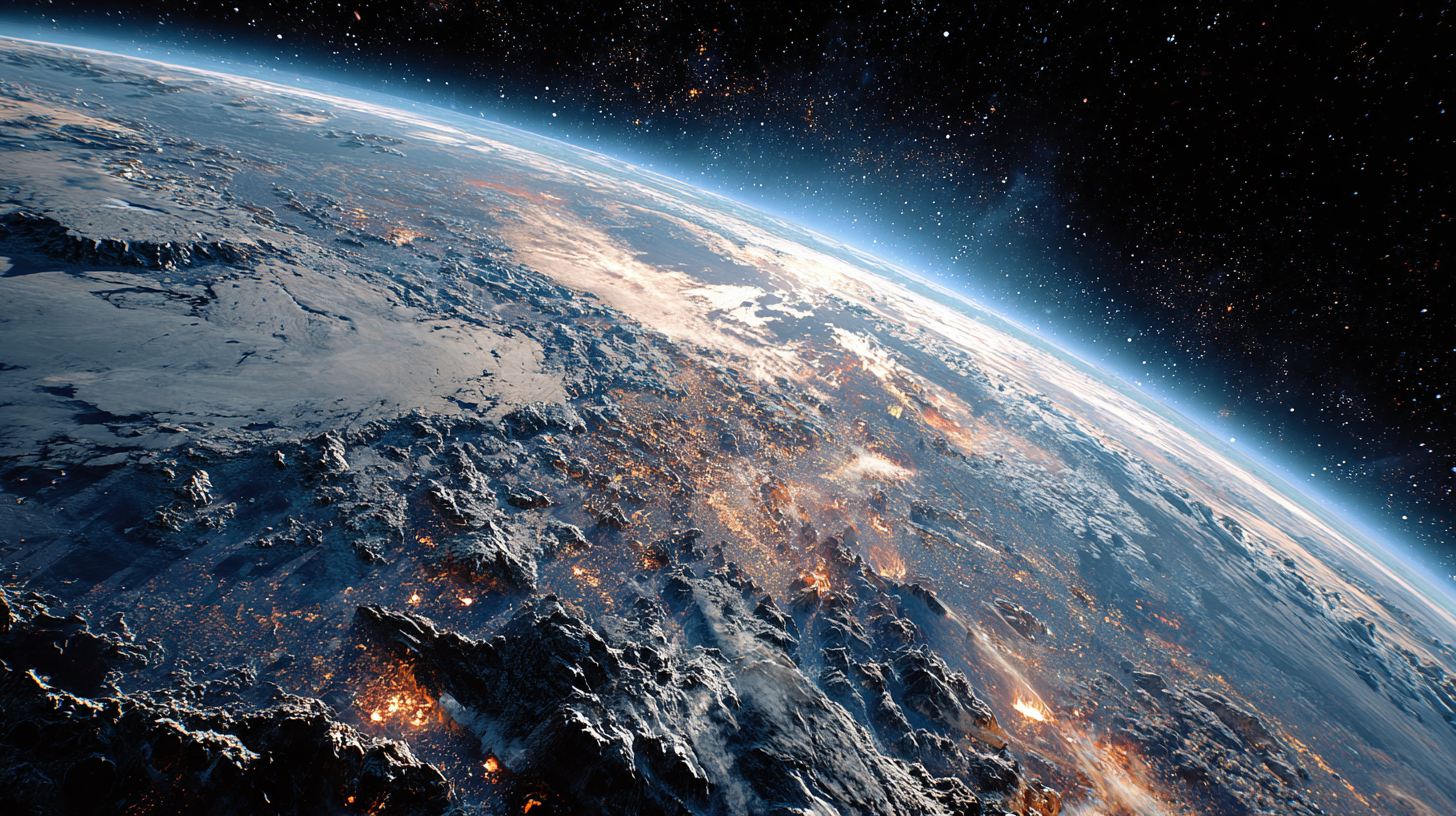
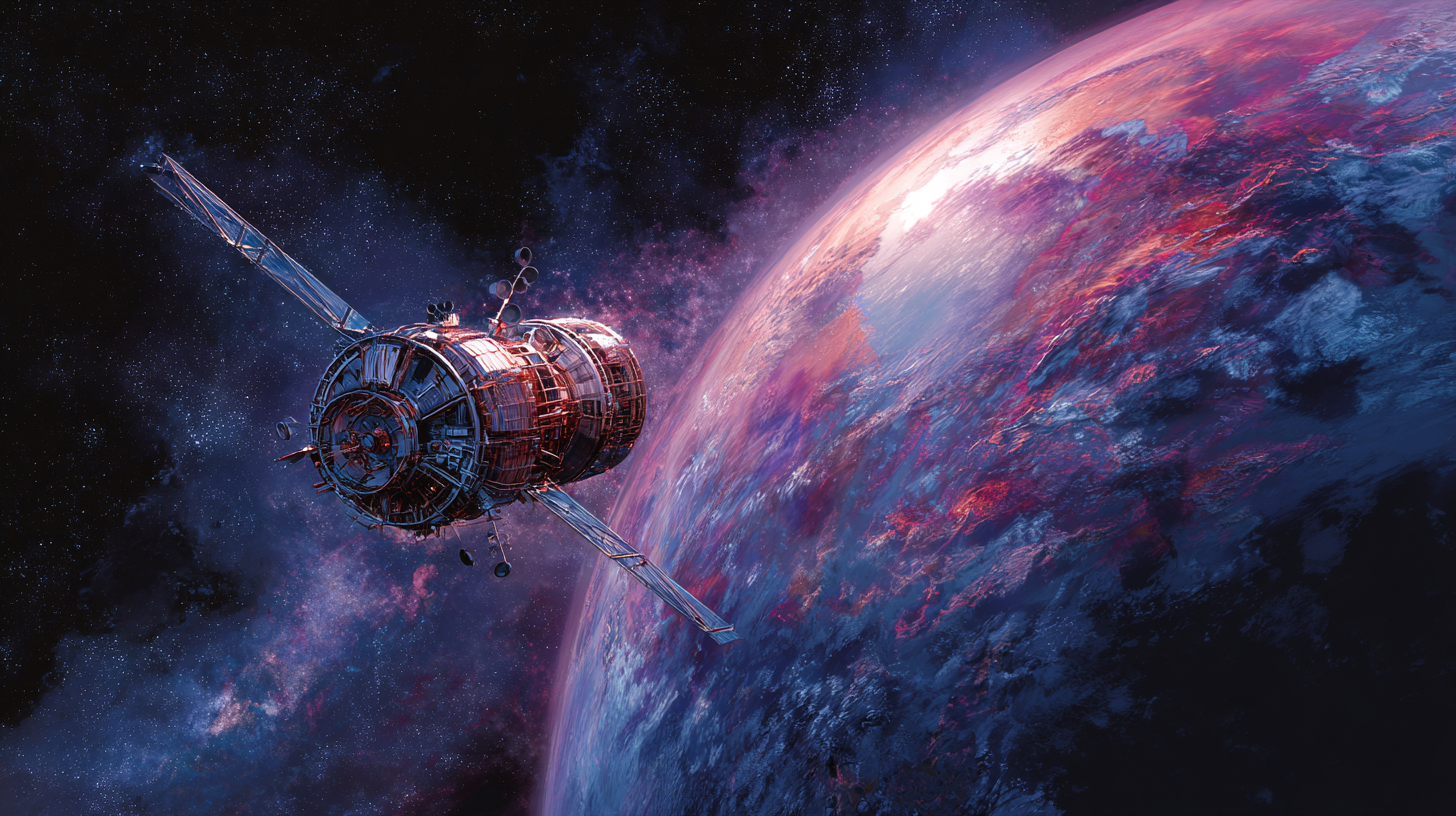
The Milky Way contains billions of stars. Many host planets in habitable zones, as shown by research into exoplanets and potential for life. As human technology progresses and we get more probes lnaded on alien worlds, better imagery of deep space, and a general better understanding of how to cosmos operates, we would assume to see signs of… something.
Subsurface oceans found among ocean worlds expand the range of environments where life might begin for example. Cracking the ice on these worlds is a baby step in our search for alien life.
Prime Earth-like candidates make sense for humans to explore first. As if life emerges easily, then statistically the galaxy should be populated.
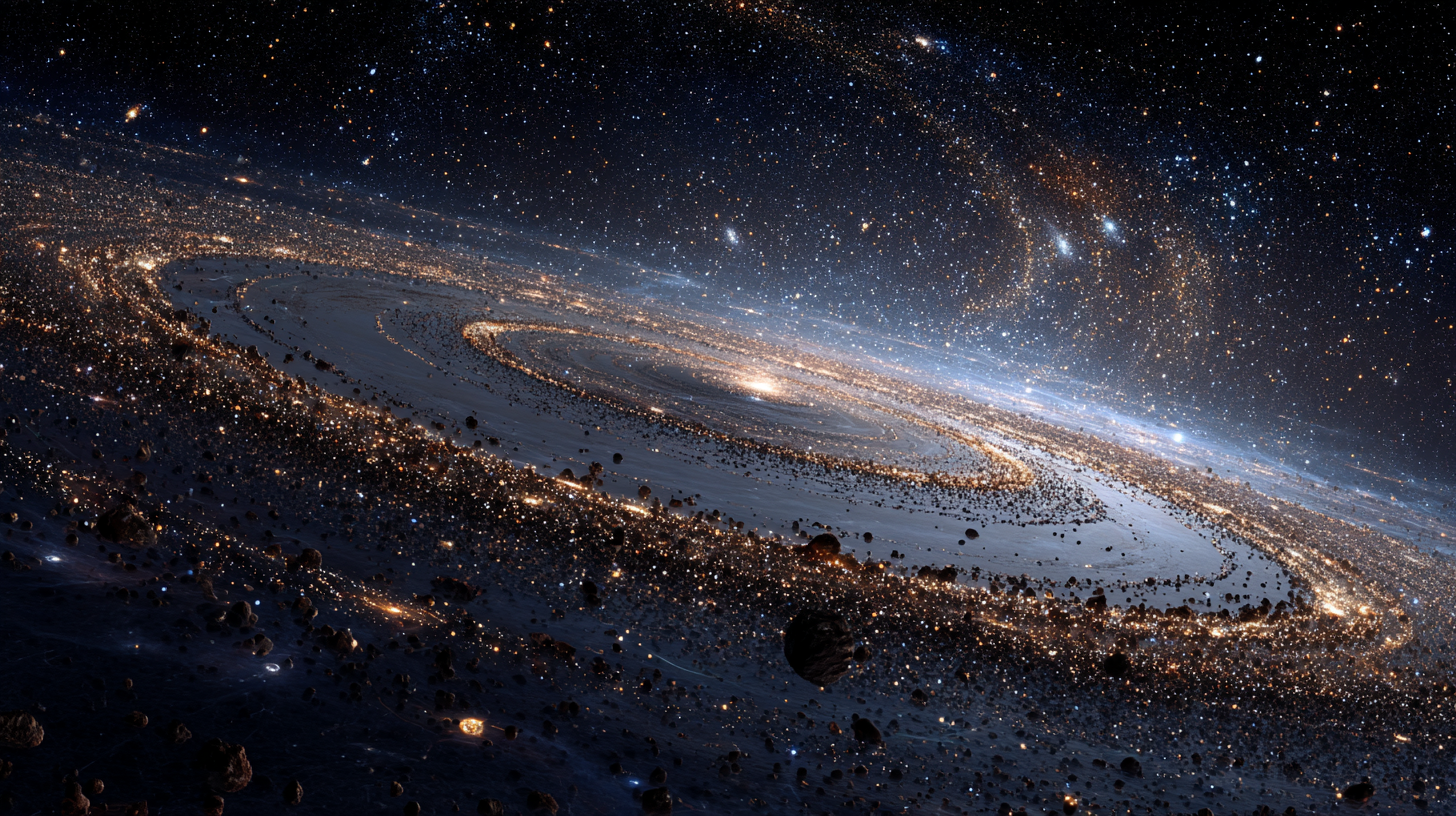
Yet so far, we see no Type II or Type III civilizations on the Kardashev Scale. So are we looking in the right places? Is our miniscule exploration still to blame. Is it both? Or is life rare? The more we know, the less we know. The search for alien life is a paradox in that sense, until we hit a concrete sign.
That said, The Great Filter explains this silence by proposing that most evolutionary paths terminate early.
Where Could The Filter Be?
The Origin Of Life
Abiogenesis — which is the transition from chemistry to biology — may be extraordinarily rare.
If this stage is the filter, Earth is unusual despite theories such as panspermia that suggest life might spread naturally between worlds.
The Leap To Complex Life
Single-celled organisms dominated Earth for billions of years. The transition to multicellular complexity may represent a rare breakthrough.
The delicate requirements for advanced development become clearer when examining complex alien life.
It could be that life is abundant in a basic, single-celled form. And if so, that would be very hard to detect here from Earth.
We have however seen some signs of alien life on other planets.
The Emergence Of Intelligence
Intelligence does not guarantee technological civilization. Many species evolve without developing industrial systems. Much of human history has been that way.
Even if an alien species was looking at Earth, it’s only really in the last 100 odd years that overtly detectable signs can be seen from space.
So if intelligence rarely converges toward engineering and expansion, the filter may sit here.
Technological Self-Destruction
The current and very real fear in 2026 and likely for the rest of this decade given the growth we are seeing in AI.
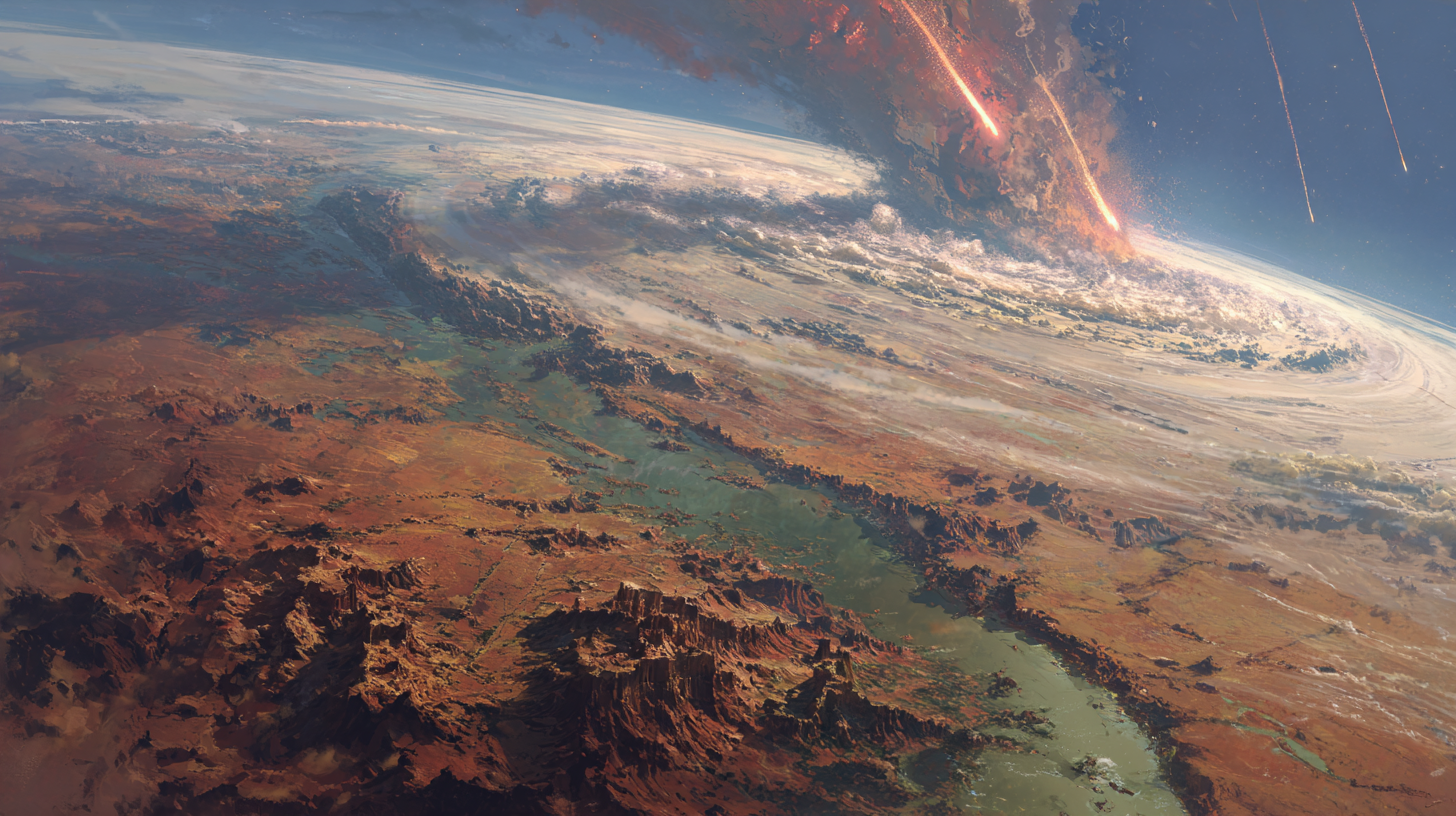
Civilizations may reach technological maturity and then collapse. Either due to that technology turning against them, or the accidental destruction of eco-systems.
If this stage is the filter, the silence may be a graveyard effect.
It would explain why we see no large-scale technosignatures, despite expectations embedded in the Drake Equation.
Early Filter Vs Late Filter
If the filter lies behind us — for example at abiogenesis or complex cellular evolution — then humanity has already passed the hardest hurdle.
If the filter lies ahead — at technological sustainability — then the absence of alien civilizations may be a warning.
That interpretation reframes the broader question of Where Are The Aliens?. Because quite literally in a universe with billions and billions of planets, where are they?
What Observations Would Help?
Scientists look for:
- Evidence of microbial life beyond Earth
- Signs of complex ecosystems
- Distinguishable technosignatures rather than simple biosignatures
- Civilizational energy signatures at stellar scales
The difference between biological and technological detection becomes critical when distinguishing between biosignatures and technosignatures.