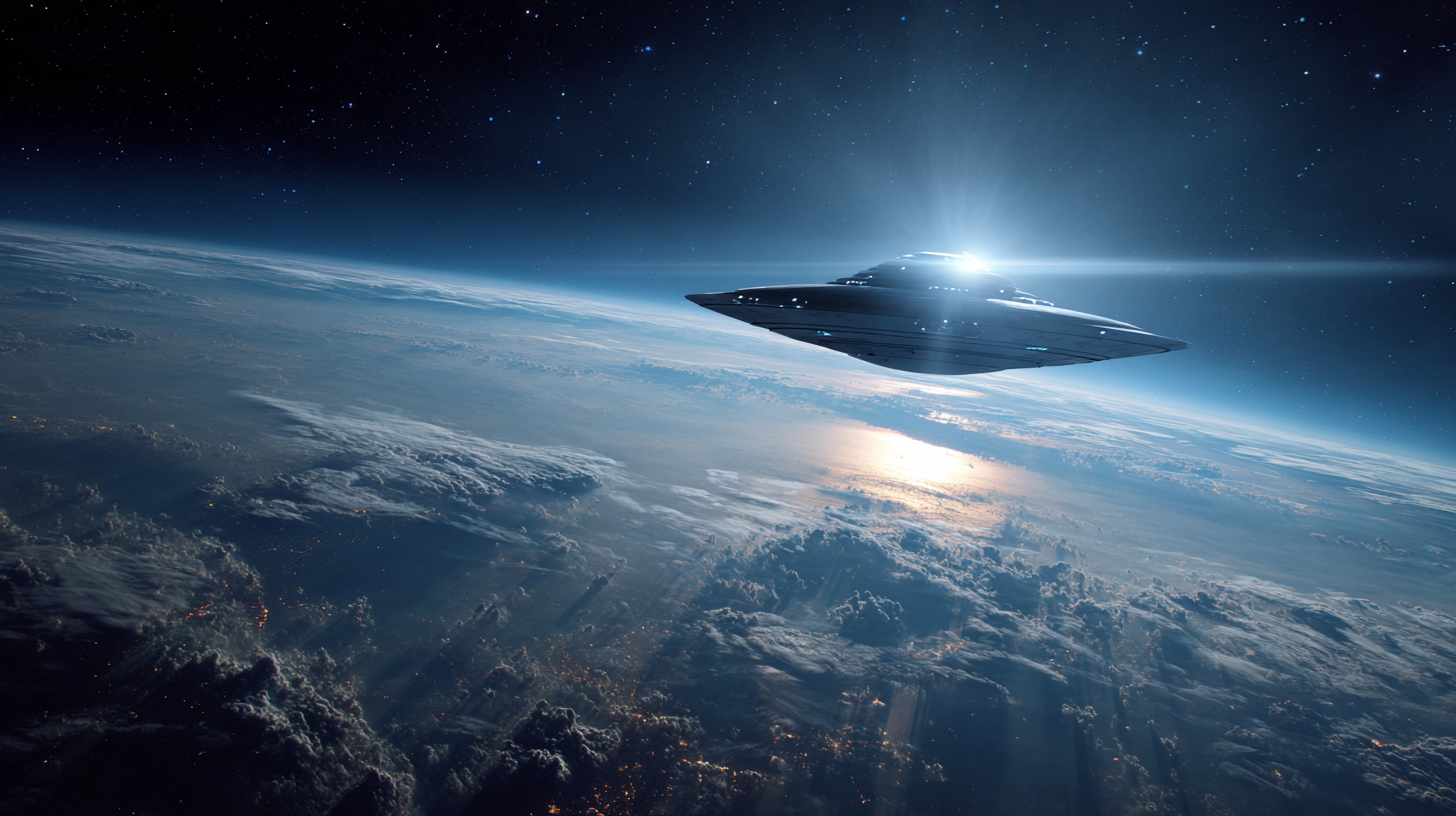
The 1942 Battle of Los Angeles: A Wartime Anomaly
Contextual Backdrop
In the tense atmosphere following the Pearl Harbor attack, the United States was on high alert for any signs of further aggression, particularly on the West Coast. The incident known as the Battle of Los Angeles, occurring in this climate of heightened wartime vigilance, stands out as one of the most puzzling episodes of World War II.
The Unidentified Aerial Phenomenon
The sequence of events that would lead to widespread panic began on the evening of February 24, 1942. Radar operators identified an unknown object approximately 120 miles west of Los Angeles. This detection set off a chain reaction of defensive measures, including a full-scale blackout and the deployment of air defense personnel.
The City Under Siege
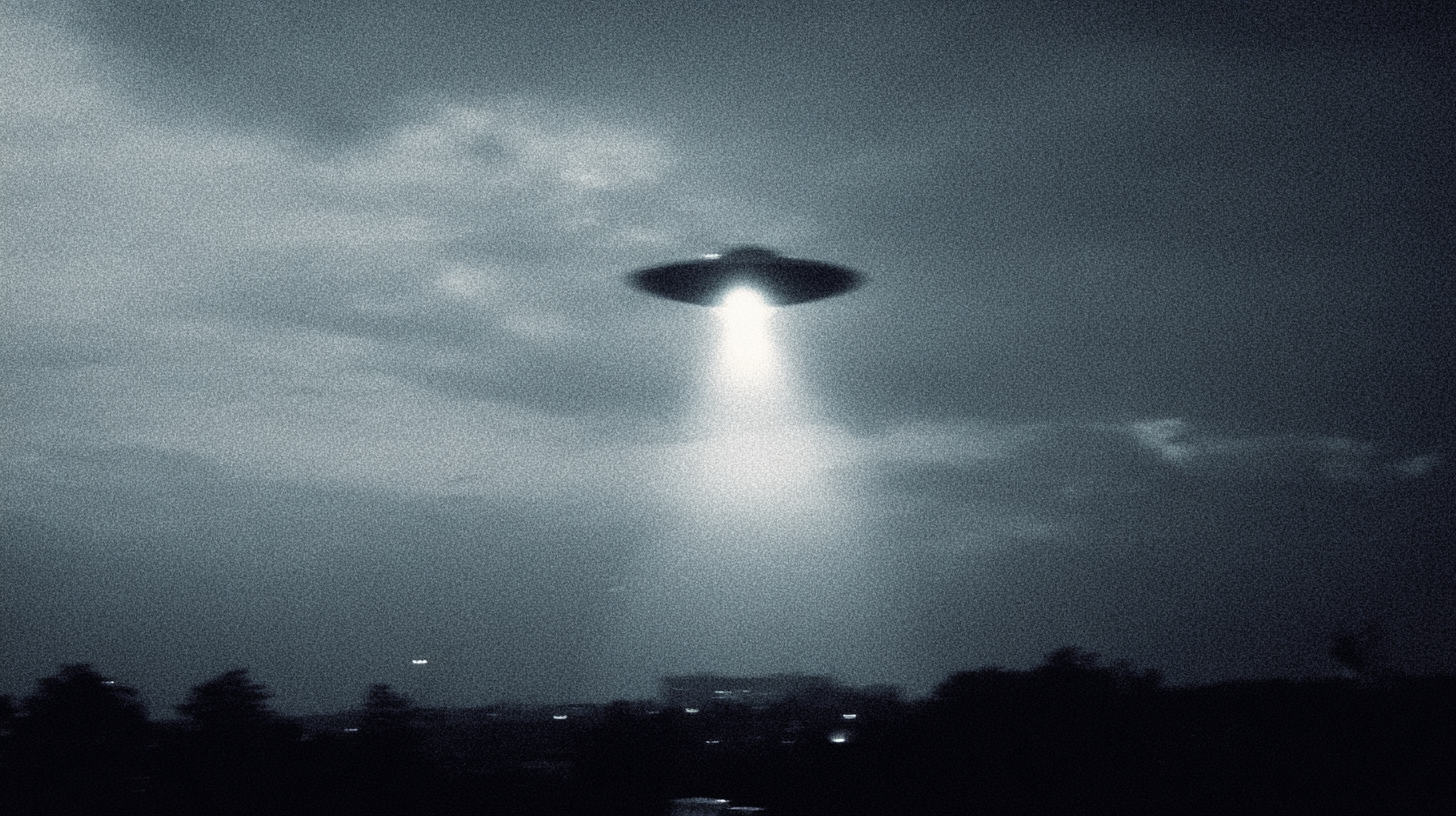
By the early morning hours of February 25, the city was under what appeared to be an aerial assault. The U.S. Army’s announcement of the approach of hostile aircraft put the entire air raid warning system into full operation. The 37th Coast Artillery Brigade was poised for action, with reports of an unidentified object hovering over the city. Eyewitnesses provided conflicting descriptions, with some claiming the object was bell-shaped and others describing it as oblong or round, with sizes varying dramatically and speeds estimated at up to 200 miles per hour.
The Military’s Response
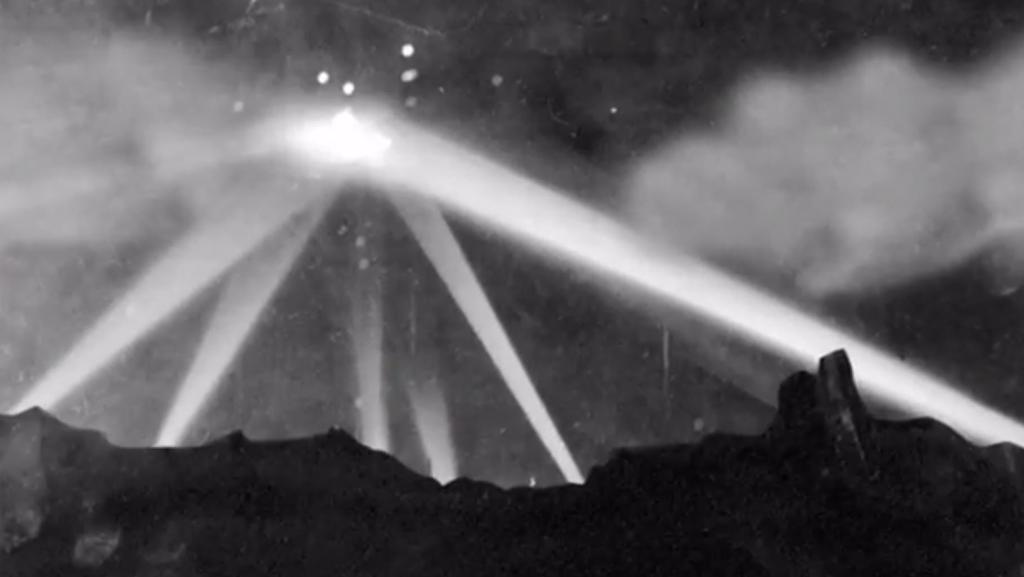
As the city held its breath, the anti-aircraft batteries opened fire at 3:06 a.m., sending a barrage of shells into the sky, which lit up the darkness with a display resembling an erupting volcano. The artillery fire was intense and relentless, with over 1,440 rounds fired in the attempt to bring down the unidentified intruder.
Media Frenzy and Public Speculation
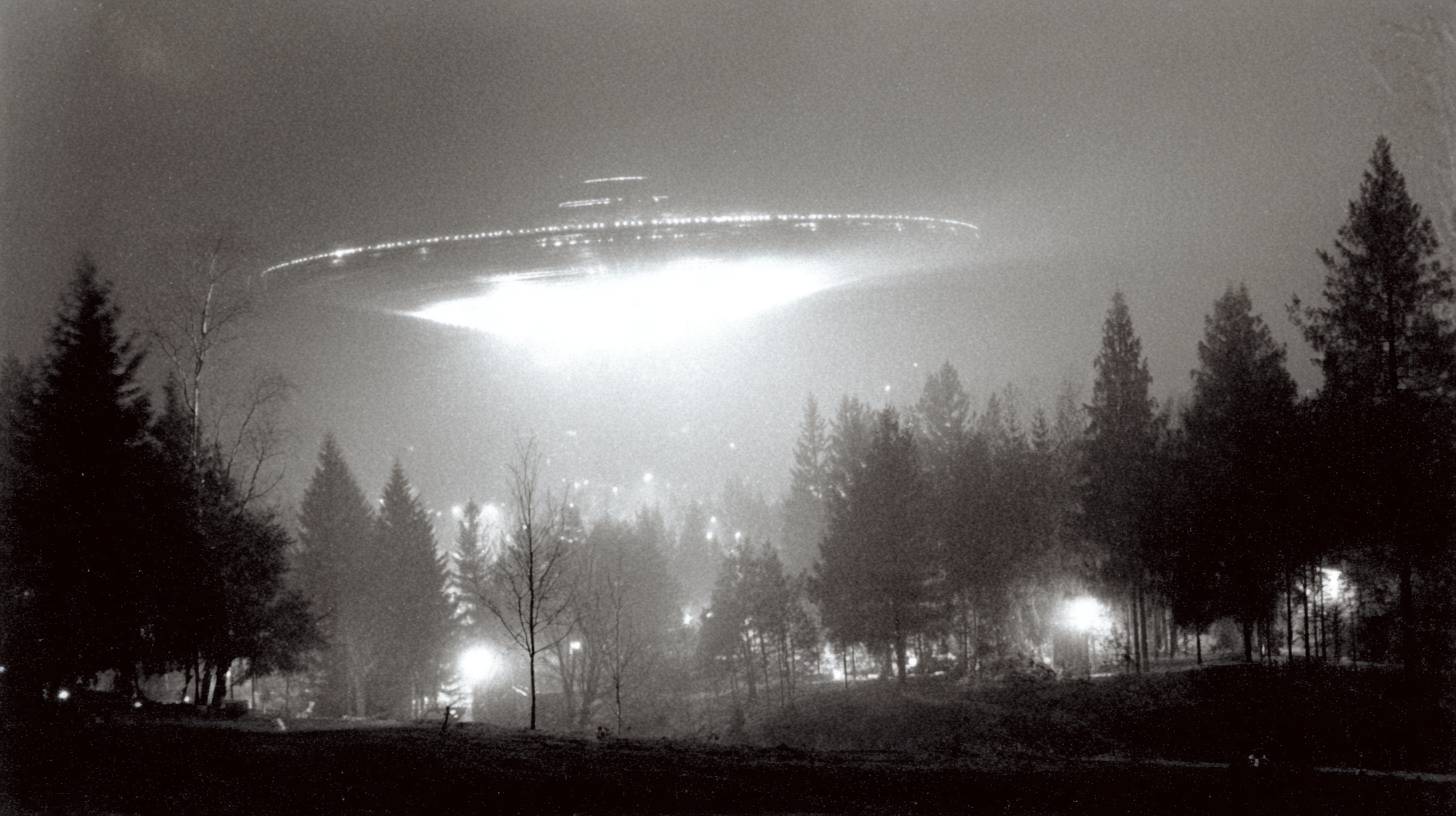
The Los Angeles Times’ photograph in the aftermath became a symbol of the event, showing the night sky filled with searchlights converging on an object, with the anti-aircraft shells bursting around it. This image fueled a media frenzy and rampant speculation among the public. Theories proliferated, from the presence of enemy submarine aircraft carriers to clandestine Japanese airfields in Mexico, as the city sought explanations for the mysterious event.
The Human Cost
The toll of the event was not just psychological but also tragically physical. The blackout and subsequent anti-aircraft fire led to five civilian deaths, including traffic accidents in the darkness and fatal heart attacks attributed to the stress of the bombardment. Additionally, the shelling caused property damage throughout the city, with shell fragments striking buildings and vehicles.
Retrospective Analysis and Conclusions
Decades later, the U.S. Office of Air Force History would review the incident, concluding that weather balloons—commonly used at the time for meteorological purposes—were likely misidentified as enemy aircraft. The reflective surfaces of these balloons, possibly coupled with attached lights, may have been misconstrued as a hostile presence.
The Enduring Legacy
The Battle of Los Angeles has since become an emblematic event, representing the fear and uncertainty that gripped the American home front during the early stages of World War II. It serves as a historical reminder of the potential for misinterpretation under stress and the consequences of rapid military response in the face of perceived threats.