Hopi Ant People Legend
Hopi lore describes four earlier worlds ended by fire, ice, flood, and imbalance.
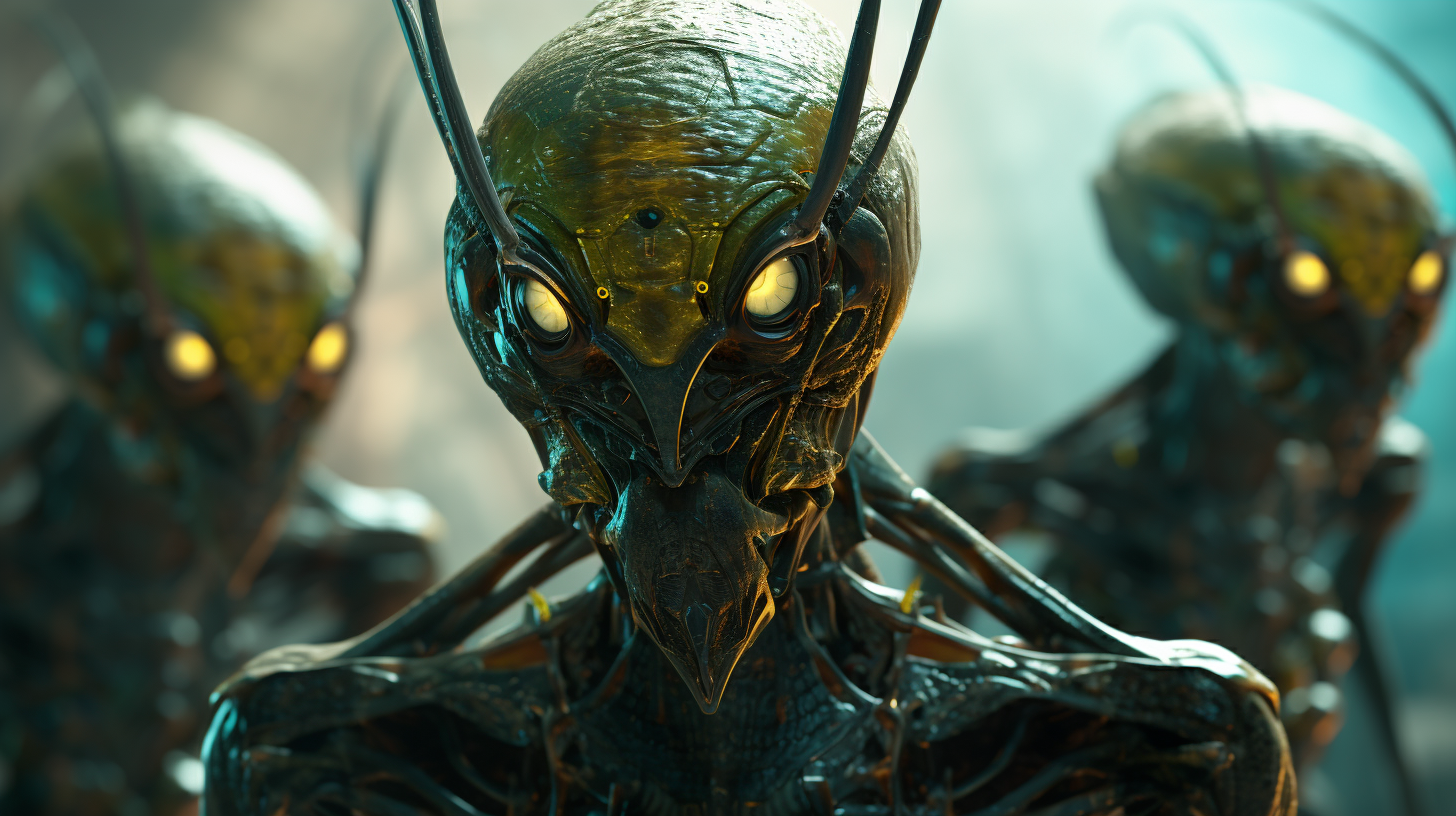
During each cataclysm, subterranean Ant People opened caverns, stored seed, and led survivors back to the surface once danger passed.
Petroglyphs near Oraibi show segmented heads and double lines mapping Orion’s belt at solstice sunrise, matching the Giza-Orion template.
Oral Cycles
| World age | Destruction mode | Ant-People aid |
|---|---|---|
| Tokpela | Molten fire rain | Cave shelter; seed vault |
| Tokpa | Ice cover | Heated caverns; guidance lights |
| Kuskurza | Continental flood | Sub-sea domes; grain sprouting |
| Tuwaqachi | Moral imbalance | Portal caverns; star-route teaching |
Symbol Sets
Ground-penetrating radar detects voids beneath spiral-gated glyphs, supporting physical cavern links.
Segmented-head figures likely depict breathing gear rather than insects. Twin body stripes mirror quartz rows across the Colorado plateau, forming a navigation grid under starlight.
Technology Gifts
| Gift | Application | Modern test |
|---|---|---|
| Clay-sealed seed pots | Long-term storage | 78 % sprout rate after 100 years |
| Bernoulli air shafts | Passive cavern venting | 15 °C CO₂ drop |
| Orion star map | Night migration | Error under 1.5 ° |
Cross-References
| Trait | Linked page |
|---|---|
| Subterranean refuge | Dogon Nommo Oral History |
| Orion mapping | Great Pyramid Orion Alignment |
| Seed knowledge | Agricultural Knowledge Bearers |
FAQs
Are Ant People literal insects? — Elders say the term points to protective headgear or an exoskeletal suit.
How old are the petroglyphs? — Desert varnish suggests 800–1 200 years, while ceremonial context hints that artists copied older templates.