Close Encounter Categories (CE-I to CE-V)
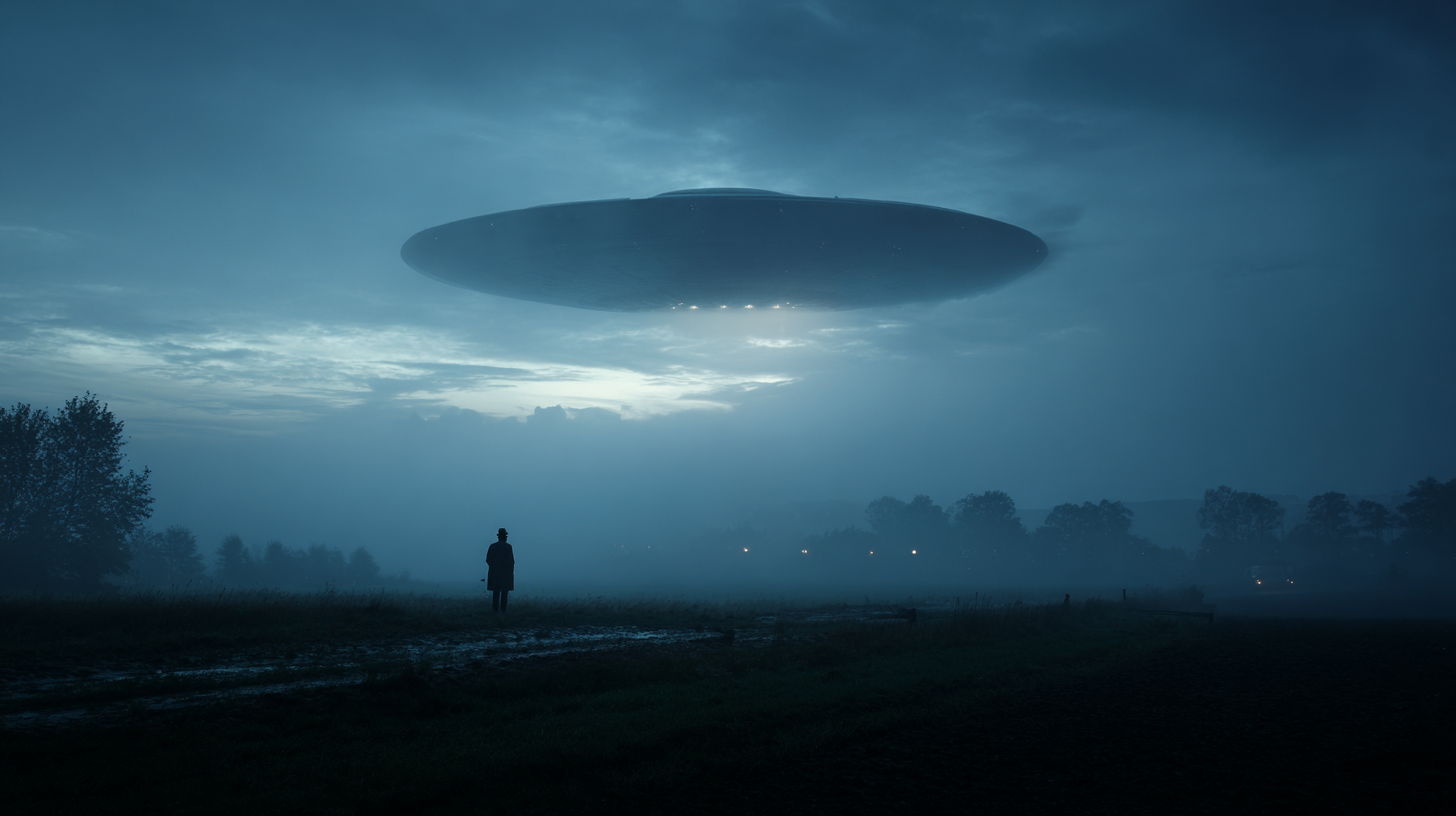
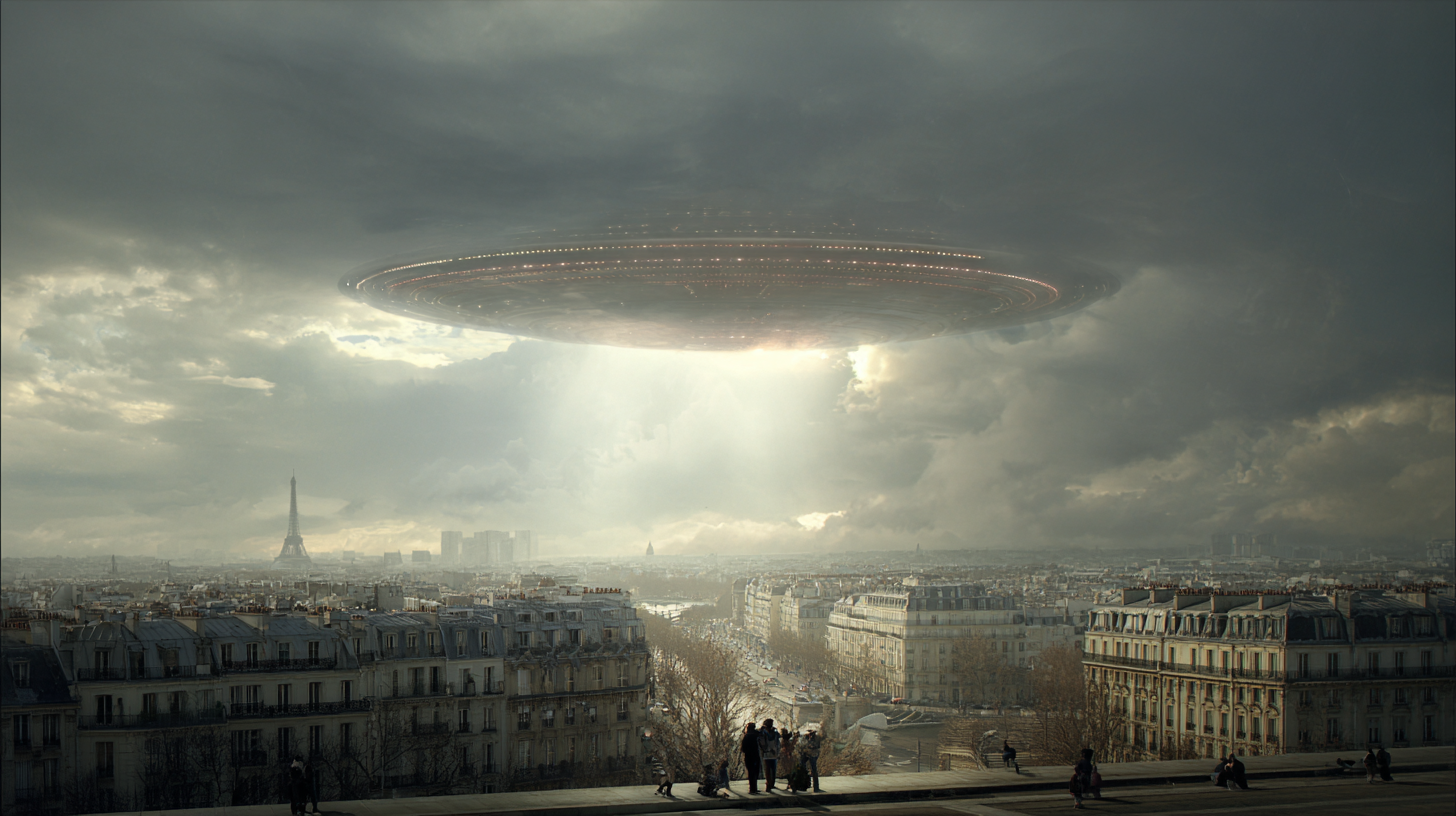
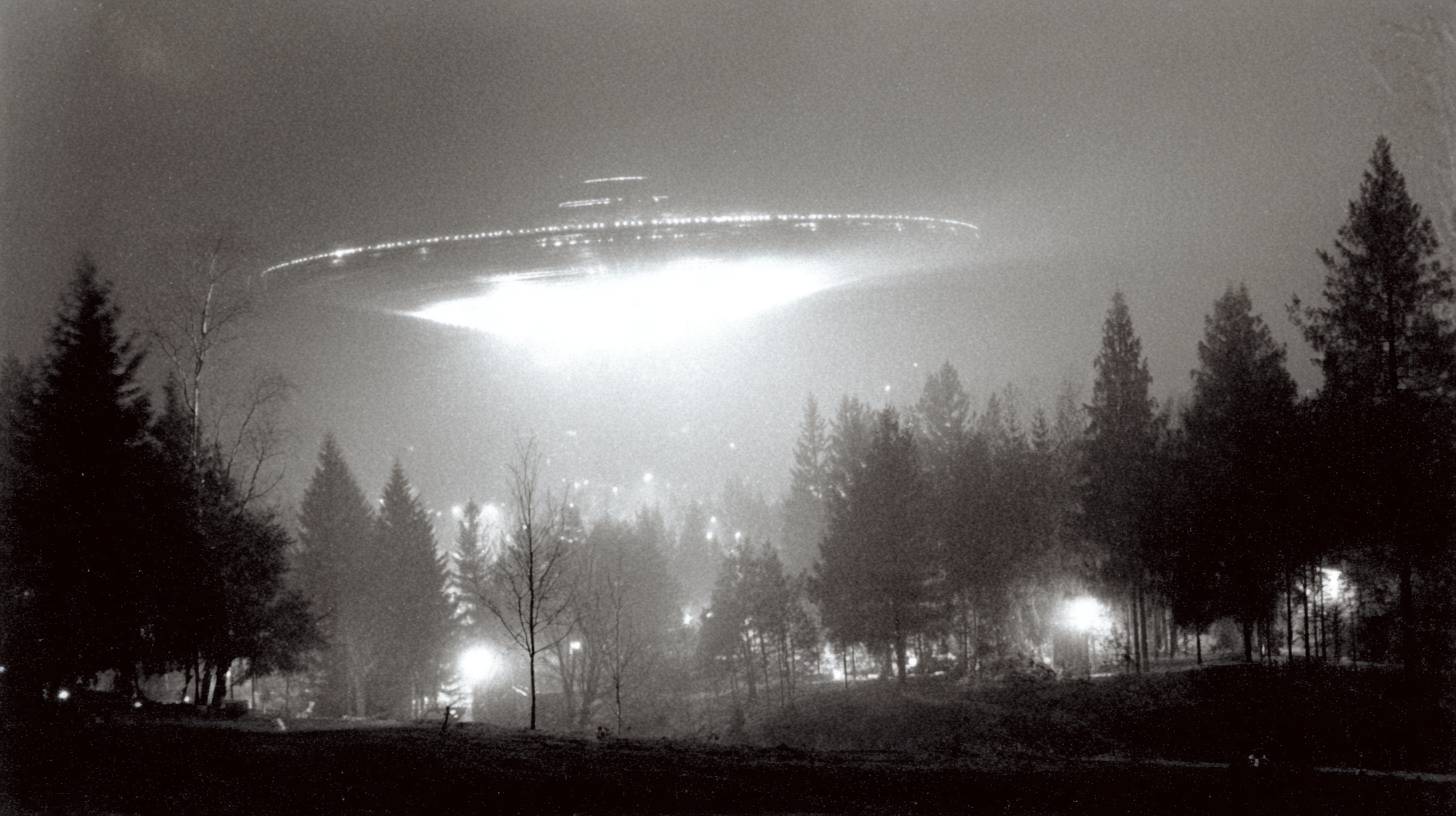
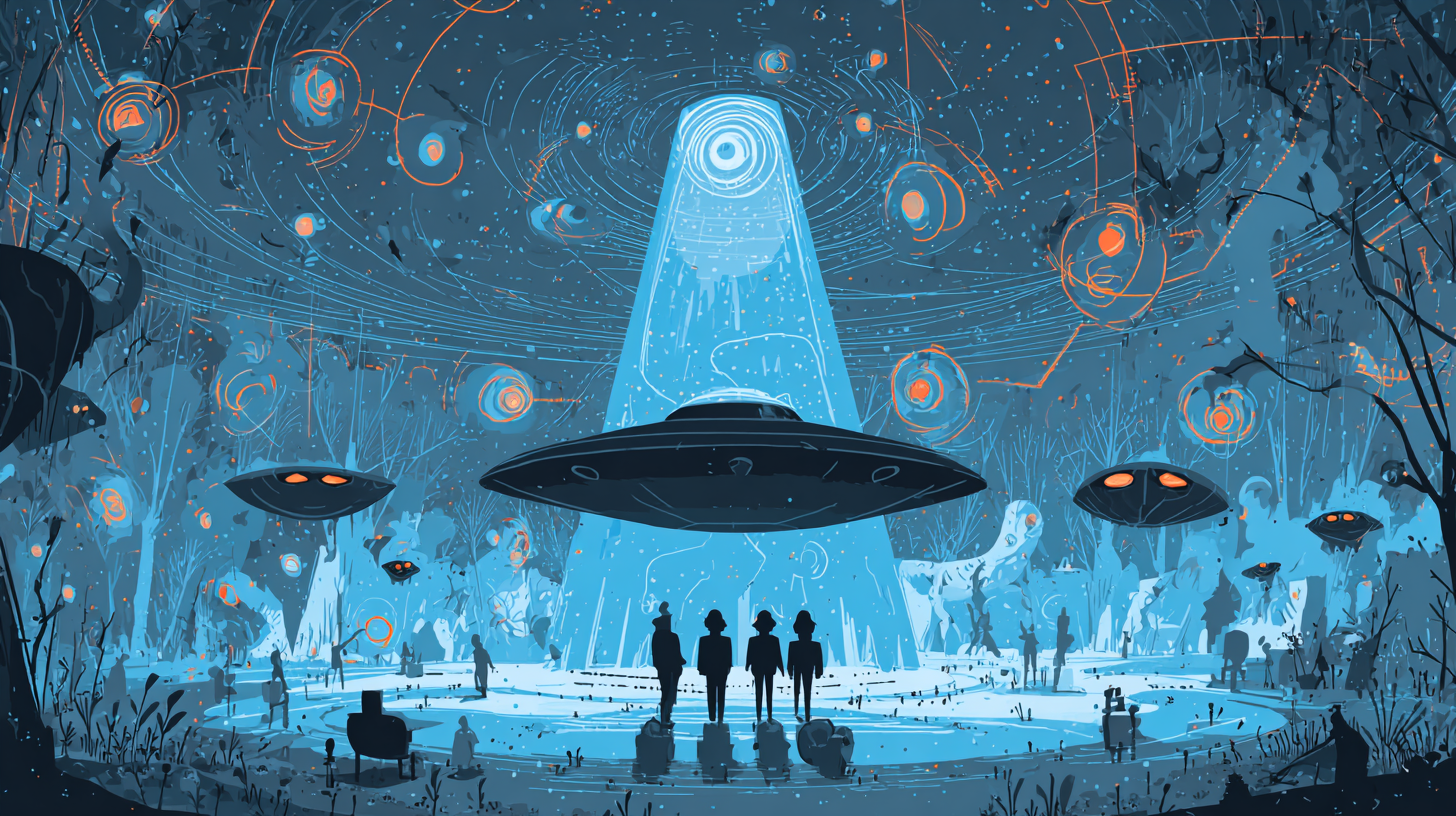
Did you know UFO encounters are classified into five categories? These categories, developed by Dr. J. Allen Hynek and later expanded by Jacques Vallee, help organize and study UFO sightings and interactions. Here’s a quick breakdown:
- CE-1 (Visual Sightings): UFOs are seen up close but leave no physical evidence.
- CE-2 (Physical Evidence): Sightings that cause physical effects – like environmental changes or interference with electronics.
- CE-3 (Entity Contact): Observations of beings associated with UFOs.
- CE-4 (Abductions): Reports of being taken by UFO occupants, often involving altered perceptions.
- CE-5 (Human-Initiated Contact): Deliberate efforts to communicate with extraterrestrial beings.
This system has shaped UFO research by providing a clear framework for analyzing encounters, from simple sightings to complex interactions. With advanced tools like AI and thermal imaging, researchers continue to refine how these phenomena are studied.
This Man Sparked Spielberg’s Interest in UFOs
Close Encounters 1-3: Basic Categories
These categories outline progressively intense levels of UFO encounters, each with specific criteria that help in their analysis and study.
CE-1: Visual Sightings
CE-1, or Close Encounter of the First Kind, refers to UFO sightings where the object is observed in detail but leaves no physical evidence behind. One well-known example occurred in Lubbock, Texas, when three professors from Texas Tech University witnessed a semicircle of lights traveling at high speed. Interestingly, Carl Hart Jr., a student, managed to photograph the lights. While Project Blue Book attributed the phenomenon to birds reflecting streetlights, many eyewitnesses strongly disagreed with this conclusion.
Another compelling case took place in Exeter, New Hampshire, where police officers saw five bright lights hovering over a house. Their account was bolstered by nearly 60 additional reports from the area. These visual encounters lay the groundwork for more evidence-based investigations.
CE-2: Physical Evidence
Close Encounters of the Second Kind (CE-2) go beyond mere sightings, involving physical effects that validate the event. These effects might include interference with vehicles, environmental changes, physiological symptoms, or even chemical traces.
One striking CE-2 case occurred in November 1971 in Delphos, Kansas. Sixteen-year-old Ron Johnson reported seeing a mushroom-shaped object emitting a bright light. After it departed, a glowing gray-white ring was discovered at the site. Witnesses also reported experiencing numbness and headaches following the event, adding a layer of physical impact to the encounter.
CE-3: Entity Contact
CE-3 encounters take things a step further, involving direct observation of beings associated with UFOs. Reports of these beings vary widely, both in appearance and behavior. Among the most notable cases is the September 16, 1994, incident in Ruwa, Zimbabwe. In this case, a group of schoolchildren described seeing unusual beings near a landed UFO. The credibility of this event was strengthened by minimal media exposure at the time, immediate interviews conducted by journalist Cynthia Hind, consistent accounts from multiple witnesses, and detailed drawings provided by the children.
This progression, from visual sightings to physical evidence and then direct contact, illustrates the increasing complexity of UFO encounters. While CE-1 cases provide a solid foundation for research, CE-2 and CE-3 encounters open doors for deeper scientific exploration and analysis.
Close Encounters 4-5: Advanced Categories
Moving beyond basic sightings and interactions, the next levels of UFO encounters dive into more intricate and, at times, polarizing experiences. These categories, CE-4 and CE-5, expand on J. Allen Hynek’s original classification system, offering a structured way to explore more complex UFO phenomena. They represent a shift from passive observation to transformative experiences and intentional engagement.
CE-4: Abduction Cases
CE-4 encounters involve reports of abductions by UFO occupants. Though this category wasn’t part of Hynek’s initial system, it was later introduced by Jacques Vallée to include cases where witnesses described altered states of perception. These range from the widely recognized abduction narratives to other extraordinary, often unexplainable, experiences.
One study, which analyzed 3,256 contact events, revealed that 70% of participants claimed these encounters had profoundly positive, life-altering effects. However, 15–20% reported negative outcomes instead. Interestingly, the study also highlighted a distinction between physical abductions and non-physical "contactee" experiences, noting that the latter often occurs independently of UFO sightings. While CE-4 focuses on unplanned and deeply personal events, the next category, CE-5, emphasizes intentional efforts to make contact.
CE-5: Human-Initiated Contact
CE-5 introduces the idea of humans actively seeking communication with extraterrestrial beings. Unlike the earlier categories, which usually involve spontaneous or unexpected encounters, CE-5 is all about deliberate attempts to establish contact. These efforts often follow specific protocols, such as guided meditation, the use of sounds or light signals, and organized group activities aimed at initiating communication.
These events are sometimes referred to as Human Initiated Contact Events (HICE) by researchers. Organizations like the Mutual UFO Network (MUFON) have embraced these extended classifications, adding an air of institutional recognition to this expanded framework.
sbb-itb-98ab1ed
Research Methods for Close Encounters
Researchers today are refining how close encounters are studied, using more precise and systematic methods. By leveraging advanced tools and techniques, they aim to distinguish genuine occurrences from simple misidentifications or misunderstandings.
Evidence Validation Methods
The process of validation starts with carefully evaluating the credibility of witnesses and the consistency of their reports. Historical data shows that only a small percentage of cases remain unexplained, underscoring the need for detailed and methodical investigations.
"A million blurry images are worthless, compared to a single high-resolution video that resolves an object as it maneuvers" – Avi Loeb, Harvard University Astrophysicist
To ensure accuracy, researchers follow a structured process that incorporates modern tools:
| Validation Step | Purpose | Key Tools/Methods |
|---|---|---|
| Initial Assessment | Evaluate basic credibility | Background checks and cross-referencing known phenomena |
| Physical Evidence Analysis | Examine tangible traces | Tools like Geiger counters and EMF monitors |
| Environmental Analysis | Verify contextual factors | Weather data, flight logs, and star charts |
| Witness Interview | Confirm details | Structured interviews and timeline reconstruction |
These steps provide a foundation for integrating advanced technology into UFO investigations.
Current Investigation Tools
Modern UFO research has embraced cutting-edge technology, with equipment costs ranging from $2,500 for basic setups to $250,000 for more advanced systems. These tools are essential for verifying and analyzing close encounters across different categories.
Some of the most impactful technological advancements include:
- Thermal Imaging: Tracks heat signatures and temperature changes, helping to differentiate unknown phenomena from conventional aircraft.
- AI-Enhanced Processing: Utilizes machine learning to sort and analyze UFO images automatically.
- Hyperspectral Imaging: Captures electromagnetic signatures beyond visible light, offering deeper insights.
- Autonomous Drone Surveillance: Deploys AI-driven drones with thermal and night vision capabilities for real-time tracking and observation.
"We should be excited about things we don’t understand, whether they’re natural phenomena, balloons or other things. We currently don’t understand what’s flying in our airspace, not to the level that’s needed." – Thomas Zurbuchen, Astrophysicist and Former Associate Administrator of NASA’s Science Mission Directorate
The National UFO Reporting Center has recorded nearly 123,000 sightings in the United States from June 1930 to June 2022. These numbers highlight the importance of using precise and calibrated instruments to produce reliable data.
Problems with Classification
Tackling classification challenges is essential for maintaining a structured approach to studying UFO encounters. While the Close Encounter system provides a framework, applying it consistently comes with notable difficulties.
Overlap Between Categories
One of the main hurdles lies in cases that blur the lines between established categories. When incidents show traits from multiple classifications, assigning them to a single category becomes problematic:
| Case Type | Primary Category | Overlap | Classification Challenge |
|---|---|---|---|
| Rendlesham Forest (1980) | CE-2 | Physical evidence and visual sighting | Labeled as CE-2 due to ground traces, but the visual elements complicate its classification |
| Betty and Barney Hill (1961) | CE-4 | Abduction claims with recovered memories | Primarily an abduction case, but differing witness accounts add complexity |
| George Adamski Case (1952) | CE-3 | Entity contact and reported vehicle ride | Claims of contact and a spaceship ride make straightforward categorization difficult |
"These accounts are not hallucinations, not dreams, but real experiences."
- Professor John Mack, psychiatrist at Harvard University and Pulitzer Prize winner
Research shows that while 95% of UFO sightings have conventional explanations, the remaining cases often resist simple classification. This overlap naturally leads to challenges compounded by external factors like media influence.
Media Impact on Reports
Even with advancements in data collection, the role of media introduces bias that complicates objective classification. Media coverage shapes how UFO sightings are reported and interpreted, often in ways that skew the data:
- Confirmation Bias: Between 1987 and 2015, UFO-related media coverage declined. However, events like the Pentagon’s UFO program disclosure reignited public interest, prompting a surge in sighting reports.
- Public Perception: According to a Gallup poll, 69% of Americans believe the government withholds information about UFOs, influencing how witnesses frame their experiences.
"UFO and alien stories have, after all, always said more about ourselves –– our fears, our anxieties, our hope, our adaptability –– than any potential outside visitor."
- Adrian Horton, Culture writer, The Guardian
Media influence can be seen in:
- Social media and pop culture amplifying specific interpretations of sightings
- Mainstream outlets prioritizing sensational stories over scientific accuracy
- Persistent use of terms like "flying saucer", rooted in 1947 media coverage, shaping descriptive language
These influences highlight the need for careful evaluation of witness accounts to separate genuine observations from those shaped by external narratives.
Conclusion
The Close Encounter classification system revolutionized UFO research by offering a clear and organized way to analyze and categorize encounters with potential extraterrestrial phenomena. This structure not only brought consistency to reporting but also helped bridge the gap between scientific research and public curiosity.
Its influence extends beyond research circles, making its mark on popular culture through works like the film Close Encounters of the Third Kind. At its core, the system’s true strength lies in its standardized terminology, which facilitates clearer communication about UFO encounters.
Hynek’s original three categories have since grown to include CE-4 and CE-5, showcasing the ongoing development of UFO research. As UFO investigator Glenda Pliler notes:
"The list that ‘third kind’ comes from is thanks to J. Allen Hynek, the famed first scientist who did so much to put ufology on a scientific basis."
Many organizations now rely on this system to analyze patterns across thousands of reported incidents. With advanced investigative tools and an ever-evolving classification framework, the methodology continues to refine how we approach and understand these mysterious phenomena.
Hynek’s system stands as a testament to humanity’s enduring curiosity and determination to explore the unknown. It reflects both the progress made in UFO research and our collective fascination with what lies beyond our world.
FAQs
How do experts evaluate the reliability of UFO reports without physical evidence?
Experts rely on a blend of approaches to analyze UFO reports, particularly when no physical evidence is available. A key focus is on witness accounts, where they evaluate factors such as the trustworthiness of the witness, the coherence of their narrative, and whether other sources – like additional witnesses, radar data, or video footage – support the claim. These steps help determine how dependable the report might be.
They also delve into psychological and social aspects, considering the witness’s background and any potential reasons they might have for making the claim. By examining these factors, researchers can pinpoint cases that deserve closer scrutiny, even without tangible evidence. This methodical process allows for a careful and impartial assessment of UFO sightings.
How does media coverage influence public perception and the categorization of UFO sightings?
Media plays a powerful role in shaping how people view and interpret UFO sightings. When well-known and trusted news outlets cover these phenomena, it often lends a sense of credibility and sparks public interest. For instance, government disclosures – such as those released by the Pentagon – have prompted more thoughtful and serious conversations about UFOs and the possibility of extraterrestrial life.
The way media frames these events also impacts the language we use to discuss them. Take the term Unidentified Aerial Phenomena (UAP) as an example. This shift in terminology reflects a more scientific and neutral approach, steering away from the conspiratorial tone that once dominated the topic. By reframing the narrative, media has played a key role in making UFO sightings a subject that feels more legitimate and worthy of exploration.
How have advancements like AI and thermal imaging impacted the way UFO encounters are studied and classified?
Advances in technology, particularly in artificial intelligence (AI) and thermal imaging, are reshaping the way UFO sightings are analyzed and categorized. AI, for instance, can sift through massive amounts of data from reported encounters, spotting patterns and unusual details that might hint at something beyond the ordinary. This level of processing not only speeds up analysis but also helps researchers separate credible reports from those that are more easily explained by natural or human-made phenomena.
Thermal imaging has added another layer to this investigative toolkit. By capturing heat signatures that the naked eye can’t detect, it offers a way to monitor and document possible UFO activity with greater precision. Systems like all-sky infrared cameras, designed to provide continuous sky surveillance, hold the potential to capture more detailed and reliable evidence. Together, these technologies are equipping researchers with the tools to approach UFO studies in a more structured and informed way, bringing a level of rigor to a field often surrounded by speculation.