High Strangeness: UFOs, Folklore & Contact Patterns
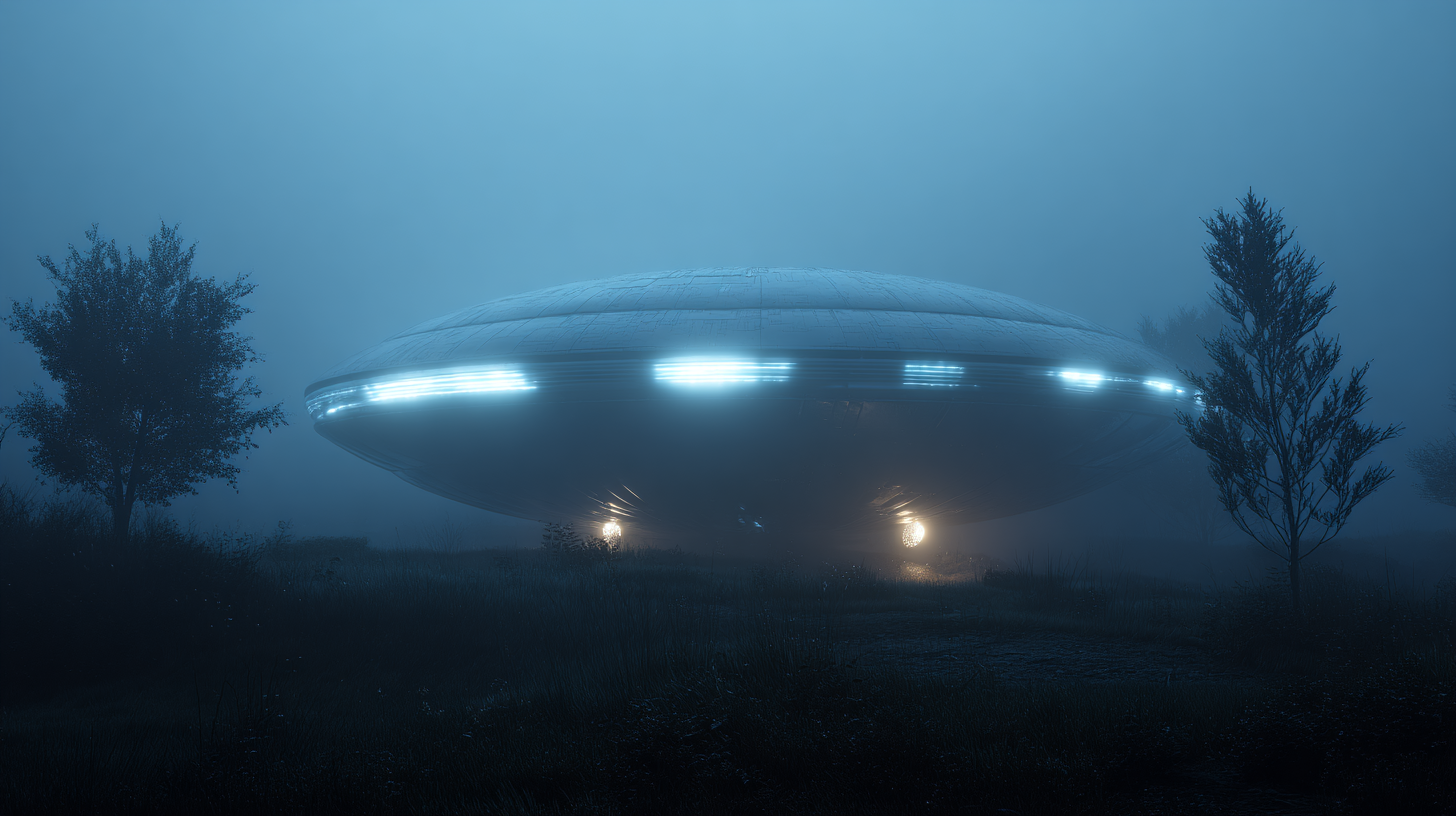
High strangeness is a concept in UFO research used to describe encounters that go far beyond a simple sighting.
It characterises reports where a mysterious light or craft is accompanied by missing time, apparitions, strange voices or other bizarre events.
The term conveys a quality of being peculiar, bizarre and even absurd. Astronomer J. Allen Hynek introduced the phrase in the 1970s, and writer John Keel popularised it as a way to talk about cases that feel more like folklore than flight tests.
Origins
The concept emerged when researchers noticed patterns in the early UFO flaps. Hynek coined the phrase “high strangeness” to capture how some reports contained multiple layers of phenomena.
In his books Operation Trojan Horse (1970) and The Mothman Prophecies (1975), John Keel argued that many encounters were clusters of events — a craft sighting here, a poltergeist‑like effect there, with strange coincidences tying them together.
Other researchers, such as Jacques Vallée, adopted the term to signal that these cases might reflect something deeper than technology alone. The phrase remains a useful shorthand for researchers today.
Core Traits
Reports labelled as high strangeness tend to show recurring patterns rather than random oddities. Researchers have identified several core traits:
- Time anomalies – witnesses lose hours or find that clocks stop at the moment of the encounter. Missing time is a hallmark of high‑strangeness reports.
- Poltergeist effects – knocks, raps or objects moving without explanation often accompany the sighting.
- Telepathic impressions – witnesses sometimes report thoughts or messages that do not seem their own.
- Absurd encounters – figures such as Men in Black act robotic or deliver nonsensical warnings, and other beings behave in ways that confuse more than inform.
- Trickster elements – events often feel staged, as if designed to puzzle rather than convey a clear message.
Folklore Parallels
High‑strangeness accounts seldom stand alone in modern literature. They echo motifs from older traditions in which beings slip in and out of our world:
- Fairies and changelings in Celtic stories abducted humans, caused lost time and swapped children for impostors.
- Jinn in Islamic lore are shape‑shifting, elusive entities that deceive travellers and disrupt daily life.
- Trickster figures such as Coyote or Loki sow confusion and test human boundaries. Their antics mirror the confounding behaviour reported in modern high‑strangeness cases.
These parallels suggest continuity between ancient myths and present‑day encounters — the names change, but the patterns endure.
Case Studies
Several notable cases illustrate how high strangeness combines craft sightings with phenomena that spill outside conventional categories:
- Mothman, Point Pleasant (1966–67) – sightings of a winged figure were accompanied by strange phone disturbances, visits from Men in Black and a general sense of community anxiety.
- Skinwalker Ranch – decades of reports from a Utah ranch include orbs, cryptid creatures, livestock mutilations and psychic impressions occurring together.
- Keel’s archives – in his personal files, Keel documented lights that behaved like intelligent beings and encounters blending physical observations with absurd or folkloric elements.
Hypotheses in Play
There is no consensus on what high strangeness means. Researchers propose several explanations:
- Ultraterrestrials – Keel suggested the presence of hidden intelligences native to Earth that manipulate events for their own purposes.
- Interdimensional bleed‑through – some theorists argue that phenomena cross from another plane into ours, which could account for time distortions and seemingly impossible effects.
- Psychosocial hypothesis – this view proposes that at least some UFO reports are best explained by psychological or social factors. It treats UFOs as a worthy subject of study but emphasises cultural and perceptual influences.
- Extraterrestrial craft – the classic idea that physical spacecraft from other worlds are responsible. This hypothesis continues to be cited, though it often fails to explain the stranger details of high‑strangeness encounters.
FAQs
- What did John Keel mean by “high strangeness”? Keel used the phrase to describe UFO cases that involve psychic, folkloric or absurd elements rather than simple craft sightings.
- Is high strangeness the same as the paranormal? Not exactly. Paranormal covers ghosts, hauntings and cryptids; high strangeness refers specifically to UFO‑linked anomalies that mix physical sightings with other bizarre phenomena.
- What are examples of high‑strangeness cases? Mothman sightings, Skinwalker Ranch events and abduction stories marked by missing time all fall under the high‑strangeness label.
Explore Further
To learn more, see these related pages:
- Project Sign – the Air Force’s first official UFO investigation.
- Project Grudge – reduce panic, explain what you can, and don’t feed the fire.
- Project Blue Book – the long‑running successor that catalogued thousands of sightings.
- The Drake Equation: A Framework for Alien Life – an exploration of extraterrestrial life and its implications.
Join the Conversation
The debate over high strangeness is ongoing. New reports continue to emerge, and researchers across disciplines are still trying to make sense of them. If you want to discuss these cases as they unfold and share theories or sources, join our Discord to connect with other enthusiasts.