Best UFO Books At A Glance
Start with a book that matches your reason for reading. UFO literature ranges from careful history to personal contact narrative, and mixing those categories can make the subject feel more confused than it needs to be.
| Book | Best for | Reader note |
|---|---|---|
| UFOs by Leslie Kean | Modern official cases | Evidence-led and accessible |
| The UFO Experience by J. Allen Hynek | Classic case categories | Foundational for close encounters |
| Passport to Magonia by Jacques Vallee | Folklore overlap | Useful for high strangeness |
| American Cosmic by D. W. Pasulka | Religion and technology | Cultural rather than simple proof |
| In Plain Sight by Ross Coulthart | Disclosure era claims | Journalistic, current, contested |
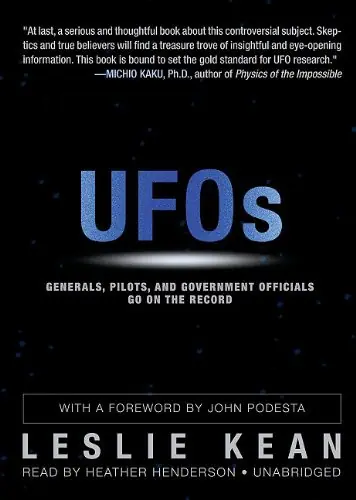
Best Beginner UFO Book: UFOs By Leslie Kean
UFOs: Generals, Pilots, and Government Officials Go on the Record is one of the best starting points for readers who want serious cases without immediately falling into fringe certainty.
Kean focuses on witnesses with aviation, military, and official backgrounds. The book does not prove alien visitation, but it makes a strong case that some reports deserve better investigation than ridicule.
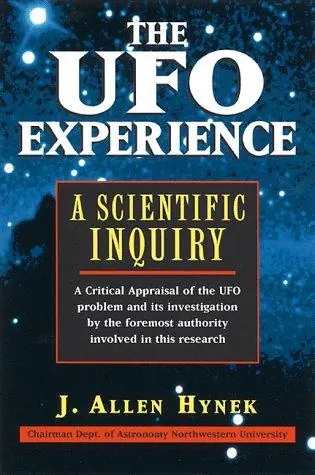
Best Classic UFO Framework: The UFO Experience
J. Allen Hynek's The UFO Experience is important because Hynek helped shape how UFO encounters are categorised. The "close encounter" language still sits underneath much of UFO culture.
This book is useful if you want to understand how older reports were sorted and why witness testimony became such a central part of the subject.
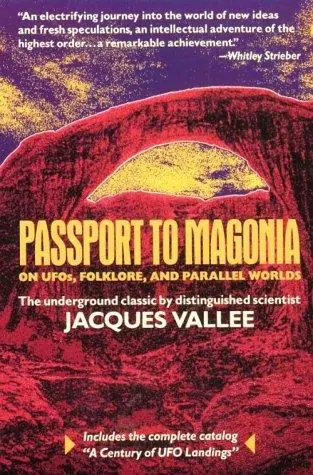
Best High-Strangeness UFO Book: Passport To Magonia
Jacques Vallee's Passport to Magonia is essential for readers who suspect UFO stories overlap with folklore, apparitions, fairy lore, and other otherworldly traditions.
It is less about proving spacecraft and more about noticing patterns in human encounters with the impossible. That makes it a good companion to topics such as high strangeness and machine elves.
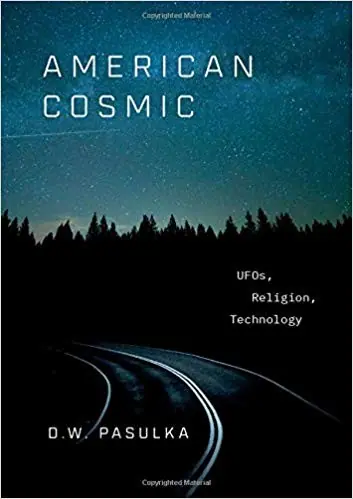
Best Culture And Religion Lens: American Cosmic
D. W. Pasulka's American Cosmic reads UFO belief through religion, technology, secrecy, and modern myth-making. It is not a simple case-file book.
Its value is in showing how UFO ideas behave like sacred stories in a technological age. Readers interested in why UFO belief persists may get more from it than readers looking only for nuts-and-bolts evidence.
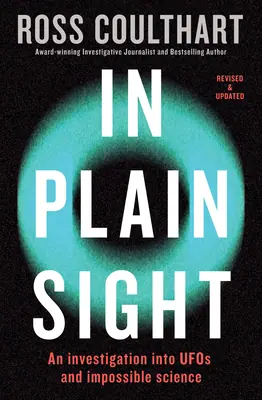
Best Disclosure-Era Read: In Plain Sight
Ross Coulthart's In Plain Sight belongs to the modern disclosure conversation. It follows claims around government secrecy, whistleblowers, and hidden programmes.
Read it with an evidence filter. It is useful for understanding the current conversation, but its strongest claims should be treated as claims unless independently verified.
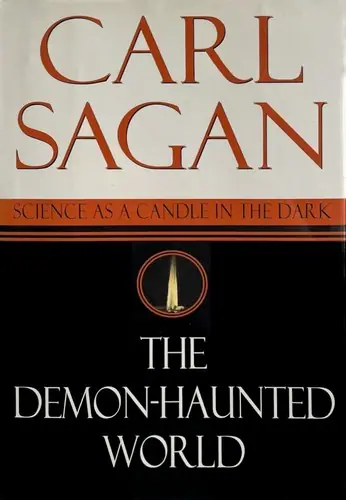
Best Sceptical Context: The Demon-Haunted World
Carl Sagan's The Demon-Haunted World is not only a UFO book, but it is one of the best books for learning how to think about extraordinary claims.
It helps readers stay curious without surrendering standards of evidence. That is a useful skill across the whole UFO archive.
Other UFO Books Worth Considering
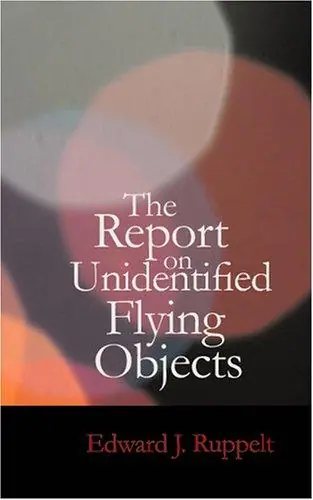
The Report on Unidentified Flying Objects
Edward J. Ruppelt's early official investigation history.
Dimensions
Jacques Vallee's broader contact and folklore pattern book.
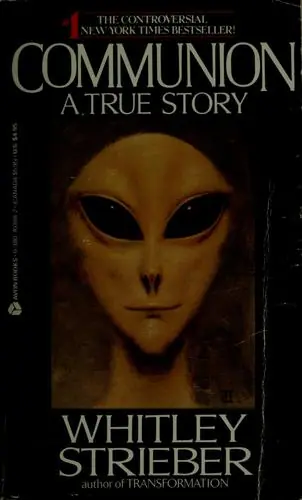
Communion
Whitley Strieber's abduction and personal-contact narrative.
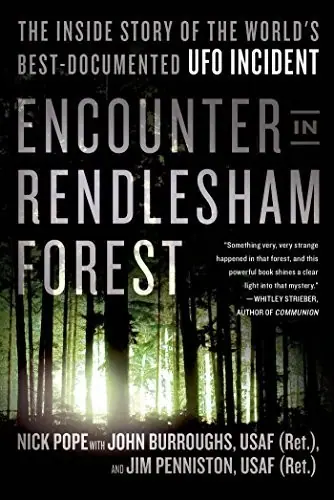
Encounter in Rendlesham Forest
A major British case narrative by Nick Pope, John Burroughs, and Jim Penniston.
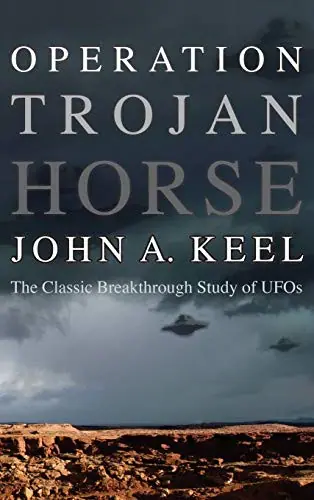
Operation Trojan Horse
John Keel's paranormal and high-strangeness interpretation.
How To Choose A UFO Book
Pick by intent rather than by hype.
- New to UFOs: start with Leslie Kean or Hynek.
- Interested in culture: read Pasulka or Vallee.
- Interested in government files: read Ruppelt and modern disclosure reporting.
- Interested in alien-contact lore: read Strieber, but keep the testimony category clear.
- Sceptical but curious: pair any UFO book with Sagan.
FAQ
What is the best UFO book for beginners?
Leslie Kean's UFOs is one of the strongest beginner choices because it is readable and focused on documented cases.
Are UFO books reliable?
Some are careful, some are speculative, and some are heavily belief-driven. Read them by category and check how each book handles evidence.
Should sceptics read UFO books?
Yes, but they should start with evidence-led or cultural analysis books rather than the most sensational titles.