Explore the Evidence
- 1. The Boat Shape Is What Pulls You In
- 2. What Is Actually New in the Noah's Ark Findings?
- 3. The Ark Identity Gap Explains the Missing Steps
- 4. The Radar Patterns Deserve Testing Against Real Material
- 5. The Soil Results Are Interesting, and Easy to Misquote
- 6. The Core Samples Are the Biggest Concrete Development
- 7. The Natural Formation Explanation Has Evidence Too
- 8. A Flood Story and an Excavated Ship Answer Different Questions
- 9. What Would Turn “Noah's Ark Found” Into a Supported Conclusion?
- 10. The Next Answer Should Come From the Samples
- Watch the Researchers Explain the Claims
- Frequently Asked Questions
1. The Boat Shape Is What Pulls You In
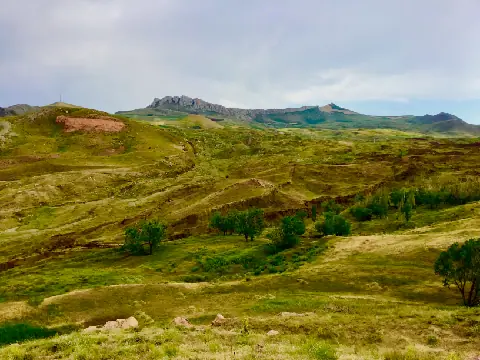
The Durupinar site lies near Üzengili, in the Doğubayazıt district of eastern Turkey. The university leading the current investigation describes it as a formation associated with claims about Noah's Ark. Its July 2026 project announcement names archaeologist Professor Cenker Atila as coordinator and Noah's Ark Scans as a supporting organisation.
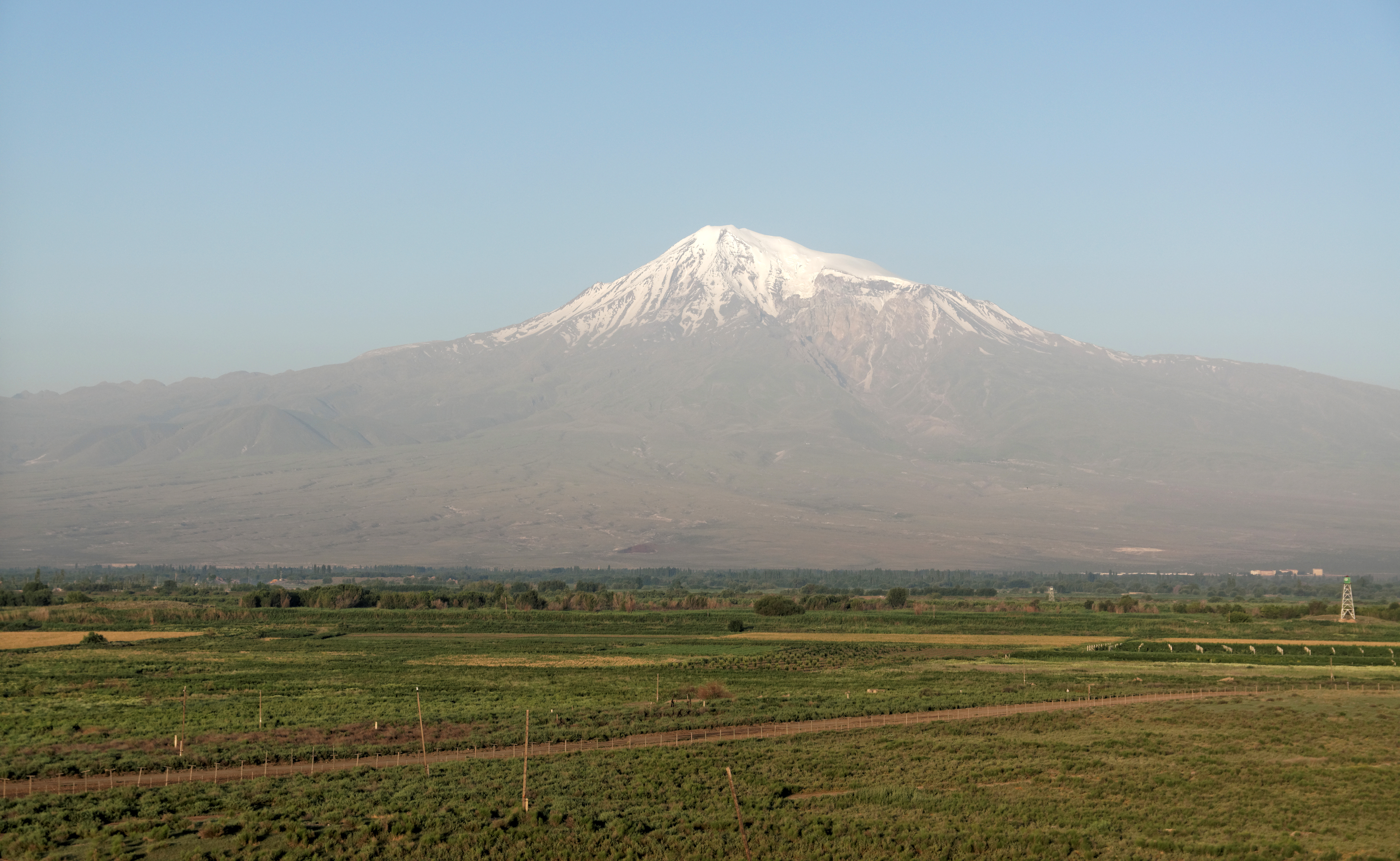
The phrase Noah's Ark Turkey often bundles together two locations. The modern Mount Ararat and this boat-shaped formation are separate places. A photograph of a snowy summit tells you little about the material inside a hill farther south.

How big was Noah's Ark? Genesis 6:15 gives its dimensions as 300 cubits long, 50 wide and 30 high. The investigators describe Durupınar as about 157 metres, or 515 feet, long and argue that it matches the biblical length. That conversion depends on the cubit length they choose. The verse supplies cubits, rather than a measurement in metres. Their project description sets out the proposed match.
A matching outline is like finding a footprint that resembles a boot. It gives you a candidate. You still need to establish who, or what, made it.
The proposed Noah's Ark location therefore rests on several claims together. Shape, dimensions and geography must connect with material evidence. The new findings below show how far that connection has progressed.
2. What Is Actually New in the Noah's Ark Findings?
The latest Noah's Ark discovery claims combine measurements from different years. A recent headline can describe an old scan, a newly interpreted dataset or fresh fieldwork.
| Research or Announcement | What It Adds | What Is Still Unresolved |
|---|---|---|
| October 2023 reporting on samples collected in December 2022 | Preliminary claims about soil, rock and ancient human activity | The reported ages do not identify a ship |
| September 2024 soil campaign, described publicly in 2025 and June 2026 | Comparisons of organic matter, carbon, potassium and acidity inside and outside the formation | The source of those differences |
| June to September 2026 university programme | New mapping, subsurface surveys and core sampling | Material identification, dating and structural interpretation |
| August 2026 radar and soil announcements | Reported angular anomalies and a further carbon comparison | Independent testing of the proposed vessel interpretation |
| September to October 2026 drilling and radar releases | More material sampling and stronger claims of organised underground spaces | The technical report and laboratory conclusions |
The dates come from the 2023 DHA report, the 2024 soil campaign account, the university's August and September updates, and the team's October radar announcement.
The formation itself is not a new discovery. The university's July account dates its identification in aerial photographs to 1959. The new work concerns what lies inside it.
That distinction keeps the chronology straight. Next comes the harder distinction between detecting a pattern and identifying an object.
3. The Ark Identity Gap Explains the Missing Steps
The Ark Identity Gap is the distance between detecting a ship-like feature and establishing its material, construction, age and historical identity.
Think of a locked suitcase at an airport. Its outline tells you the shape of the container. A scan shows something inside. Opening it reveals the contents. None of those steps, by itself, tells you who owned it.
Noah's Ark evidence faces the same sequence. Each claim needs a different test.
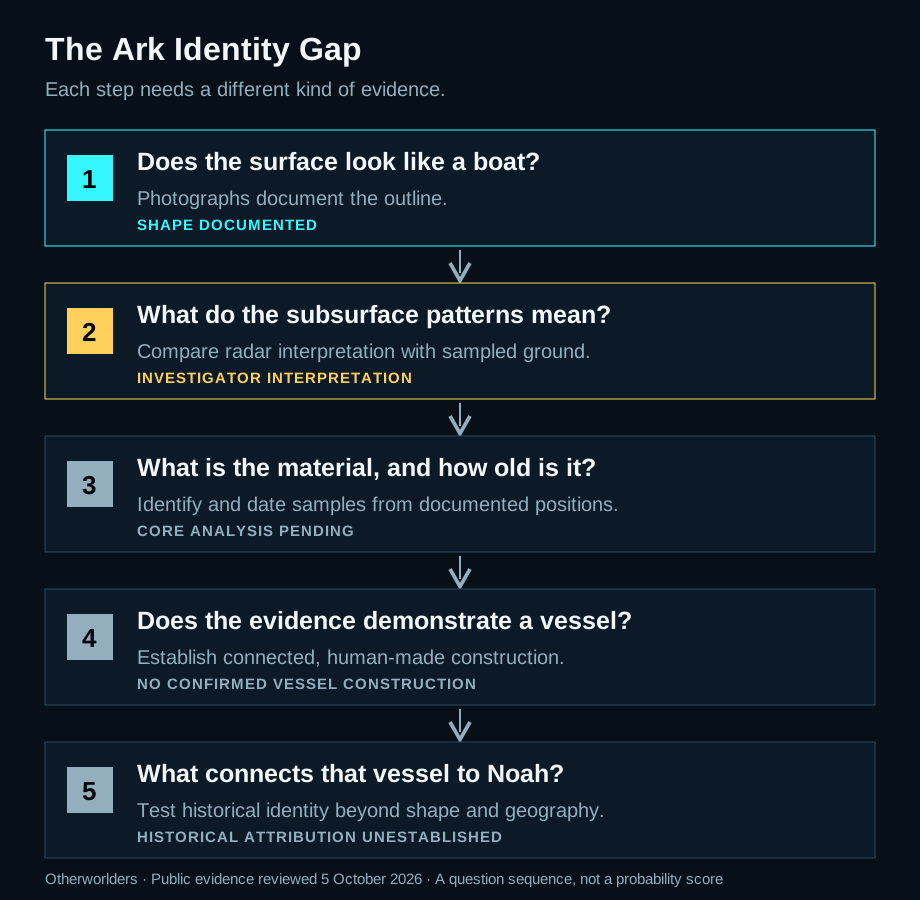
A core can answer a question a scan cannot. A dated piece of wood can answer a question a chemical comparison cannot. Even a confirmed ancient vessel would leave the question of its connection to Noah.
Keep those stages separate when you look at the radar interpretations.
4. The Radar Patterns Deserve Testing Against Real Material
The team's older radar paper describes a ground-penetrating radar survey conducted on 14 to 17 October 2019. It discusses linear and rectangular reflections and calls for further investigation to determine their nature. That gives a date to some imagery still circulating with newer stories. The investigators' radar paper is more informative than an undated screenshot.
Ground-penetrating radar sends electromagnetic pulses into the ground and records returning signals. Picture an echo that changes when it meets a different surface. Buried material boundaries can produce reflections that researchers interpret as layers, objects or voids.
Water content, electrical properties and processing affect the image. The US Environmental Protection Agency's explanation of GPR describes both its archaeological uses and the ambiguity of interpreting its signals.
The newer work uses BakhtarRadar, a separate imaging system whose developer, Khosrow Bakhtar, interprets the returns as organised spaces. In its 1 October release, Noah's Ark Scans presents his conclusion that these features are human-made. The release says a fuller technical report is expected in November. That is the team's assessment, awaiting wider technical scrutiny, rather than an independently established identification.
The strongest way to advance that claim would be to publish the methods, raw measurements, processing choices and comparisons with neighbouring ground. Then samples taken at predicted features could test whether the instrument has located construction, natural layers or something else.
A scan labelled “corridor” carries an interpretation. A sampled corridor with documented walls and construction would carry a different weight.
The radar gives the team places to investigate. The soil comparisons offer another line of evidence, with their own limits.
5. The Soil Results Are Interesting, and Easy to Misquote
Imagine testing two garden beds. One contains more organic material. That difference gives you a reason to investigate roots, previous planting, sediment and other sources. It does not tell you that a wooden structure once stood there.
Noah's Ark Scans says its September 2024 campaign collected 88 samples from 22 locations. Its June 2026 account reports approximately 2.93% organic matter inside the formation against 0.98% outside, up to 2.72 times as much carbon, about 40% more potassium and lower pH. The researchers interpret those differences as consistent with decaying wood. Their soil account supplies the figures.
Those are separate measurements. Organic matter includes carbon-containing material. Potassium is a chemical element. Soil acidity is another property again. Treating all three as a single “wood test” conceals what was measured.
The university's 28 August 2026 announcement reports a different figure, approximately 40% more carbon inside than outside. I found the same “40%” attached to potassium in the older campaign and carbon in the newer university update. Moving it between the two substances would create a finding neither announcement makes.
The next questions are specific. Were inside and outside samples taken at comparable depths? Do differences persist across seasons and locations? Which materials account for the carbon? Do identified remains show evidence of human working?
The published announcements provide reasons to ask those questions. They do not yet provide a complete identification of the material responsible for the pattern.
The soil work strengthens the case for careful sampling. The core programme can test the material directly.
6. The Core Samples Are the Biggest Concrete Development
Sivas Cumhuriyet University's 28 September update reports 366 core samples taken from depths of 1 to 15 metres, inside and outside the formation. It says they were delivered to Ankara Yıldırım Beyazıt University laboratories for carbon-isotope analysis and age determination. The university dates its field programme from 28 June to 11 September 2026.
A core is a narrow column through the ground. Think of pushing a straw through a layered cake and lifting out a slice of each layer. Its depth and position help researchers connect material with the scan and surrounding geology.
There is a chronology discrepancy to preserve. Noah's Ark Scans describes drilling beginning in September, while the university says its field phase ended on 11 September. The public accounts do not fully explain whether they describe separate drilling phases. Combining them into one seamless schedule would add certainty the sources do not provide.
The team's 23 September drilling release also describes a hard layer that damaged a drill bit and proposes mineralised wood as a possibility. Hardness alone cannot identify wood. A laboratory would need to establish the material's composition and, where preserved, diagnostic biological structure.
There is also a difference between recovering cores and excavating a vessel. The current announcements document targeted investigation. They do not announce an exposed hull with independently verified construction.
The samples create an opportunity for a stronger answer. Their results must still be compared with the existing geological explanations.
7. The Natural Formation Explanation Has Evidence Too
Lorence Collins and David Fasold examined earlier material claimed to come from the Ark. Their 1996 paper reports that a supposed iron fitting contained weathered volcanic minerals, alleged fossilised wood was metamorphosed rock, and sampled “anchor stones” were local andesite. It also interprets the formation through folded sedimentary layers. Their geological study provides test results behind the natural explanation.
Picture a striped rug folded into a trough. Viewed from above, the folded layers can trace an elongated outline. In geology, that trough-shaped fold is called a syncline. Collins and Fasold proposed a fold that closes at both ends, alongside erosion and mineral concentrations, to explain the apparent structure.
A later study by Murat Avcı examined the surrounding Telçeker earthflow. Avcı proposed a limestone slab that slumped and crept downslope over weak clay, its outline modified by earthflow abrasion, meltwater and limestone dissolution. The 2007 engineering-geology paper supplies a landscape-based explanation for the boat-like form.
The two studies do not establish identical models of every feature. They do establish that a natural explanation has more behind it than someone glancing at a photograph and saying “rock”.
They also leave newer measurements open to evaluation. The 1996 microscopy cannot identify a sample recovered in 2026. The new samples must be tested on their own, with their locations documented, and compared with the surrounding terrain.
Three possibilities therefore deserve clear tests. The formation could be natural throughout. It could contain some archaeological material without being a vessel. Or evidence could demonstrate a constructed vessel. The third possibility would still require a further argument about historical identity.
The Antikythera mechanism shows the kind of physical detail that can establish human manufacture. Here, the next advance would be material that separates the competing explanations.
8. A Flood Story and an Excavated Ship Answer Different Questions
The British Museum's Flood Tablet preserves part of the Epic of Gilgamesh, including a flood account. The museum catalogue identifies the object and its text. Ancient flood literature is tangible evidence of stories people recorded and transmitted.
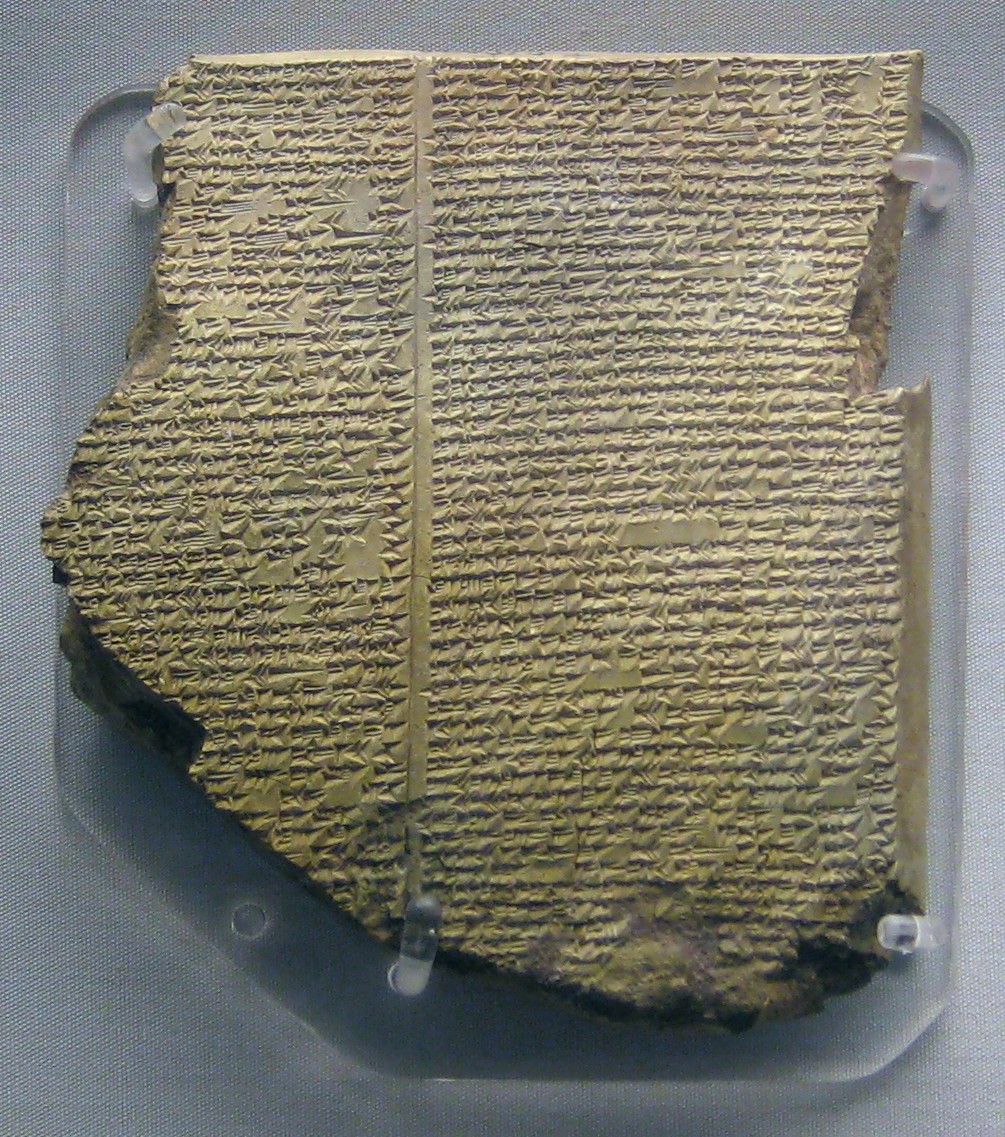

That evidence can illuminate the history of a tradition. Identifying a particular buried vessel requires a physical connection between the object and the claim. A map showing where a story is set cannot identify an object found somewhere within that region.
The earlier “5,000-year-old discovery” coverage has a similar problem. DHA's October 2023 report describes preliminary sample-age and human-activity claims using inconsistent date ranges. It also reports Faruk Kaya's caution that dating alone cannot establish the presence of the ship. It should not become a precise construction date for Noah's Ark.
DHA also reported clay and marine materials in the samples. Those findings do not identify a vessel or establish a recent flood. The published summary does not provide enough detail to make those connections.
Belief, literary history and archaeology can each be discussed on their own terms. The Sumerian accounts offer further background on ancient narratives. The physical identification turns on the tests still needed at Durupınar.
9. What Would Turn “Noah's Ark Found” Into a Supported Conclusion?
Material identification would be the first substantial advance. An authenticated piece of worked wood, recovered from a documented position, would support a much narrower claim than “the Ark”, but it would be valuable evidence.
Four checks would move the investigation forward.
- Identify the material. Publish laboratory methods and results that distinguish rock, soil, biological remains and manufactured objects.
- Demonstrate construction. Document connected features such as worked surfaces, joints or repeated structural elements. Establish their relationship to the formation.
- Date the relevant material. Publish sample identities, uncertainties and the relationship between each dated sample and any structure.
- Test the historical attribution. Explain why the resulting object should be identified with Noah's Ark, with evidence beyond resemblance and a broad geographic match.
Radiocarbon dating estimates when a once-living sample stopped exchanging carbon with its surroundings. Imagine dating a reclaimed timber in a modern house. The timber can be older than the building. The old wood effect described by dating laboratory Beta Analytic illustrates why a sample's age and a construction date need to be connected carefully.
A credible “Noah's Ark found” announcement would also need independent teams to examine the evidence and test the alternatives. Agreement reached after checking the same material would carry more weight than several stories repeating one researcher's interpretation.
The October release proposes ancient animal DNA as a future line of investigation. It reports discussions with specialists, rather than a recovered DNA result. Any eventual finding would need authentication and controls against contamination, followed by an explanation of how the material relates to the proposed vessel. An announced test is a question the team plans to ask.
If you are asking has Noah's Ark been found, those are the missing steps. The search for Huni's lost pyramid raises a related challenge of attributing ancient remains to a particular historical identity.
10. The Next Answer Should Come From the Samples
The 2026 work has reached a more concrete stage. Samples can now test claims that previously depended heavily on shape and subsurface images.
For now, Noah's Ark remains unconfirmed. I would watch for an identified material from a documented core, followed by evidence of how it fits into the formation. That would be a realistic first advance, whether the result supports construction or geology.
The university expects comprehensive evaluation to continue into mid-2027. The team's October release gives late spring 2027 as its expected laboratory-results window. Those are announced schedules, not guaranteed dates.
A boat-like hill can hold our attention for decades. The next set of samples may finally help explain what makes this one look like a boat.
Watch the Researchers Explain the Claims
Watch CBN's 1 October 2026 Newsmakers programme.
Andrew Jones discusses the latest research in this programme, which also includes other stories. Its thumbnail includes an illustration of the Ark. The interview presents the team's claims; it does not supply independent laboratory confirmation.
Watch the original CBN interview from 29 April 2026.
This earlier interview explains the radar and soil interpretations before the latest sampling announcements. The two programmes give you the researchers' account across different stages of the project.
Frequently Asked Questions
Has Noah's Ark Been Found in Turkey?
No confirmed archaeological identification has established Noah's Ark at Durupınar. The current project is investigating the formation through surveys, samples and laboratory analysis.
What Are the Latest Noah's Ark Findings?
The 2026 announcements describe new radar work, soil comparisons and core sampling. The university reports 366 cores delivered for analysis. Material identification and the vessel claim remain unresolved.
Did Radar Find Rooms Inside Noah's Ark?
Researchers interpret some subsurface patterns as possible rooms or corridors. These features have not yet been independently established as the interior of a ship.
Does the Soil Prove There Was a Wooden Ark?
The reported chemical differences warrant investigation. They do not, by themselves, identify the organic material as a constructed vessel or establish its historical identity.
Is Durupınar the Same Place as Mount Ararat?
No. The formation being investigated is a separate site in eastern Turkey, south of the modern Mount Ararat.
When Are the New Laboratory Results Expected?
The public announcements point to 2027. The university expects evaluation into mid-2027, while Noah's Ark Scans gives late spring 2027 for laboratory results. The schedule may change.